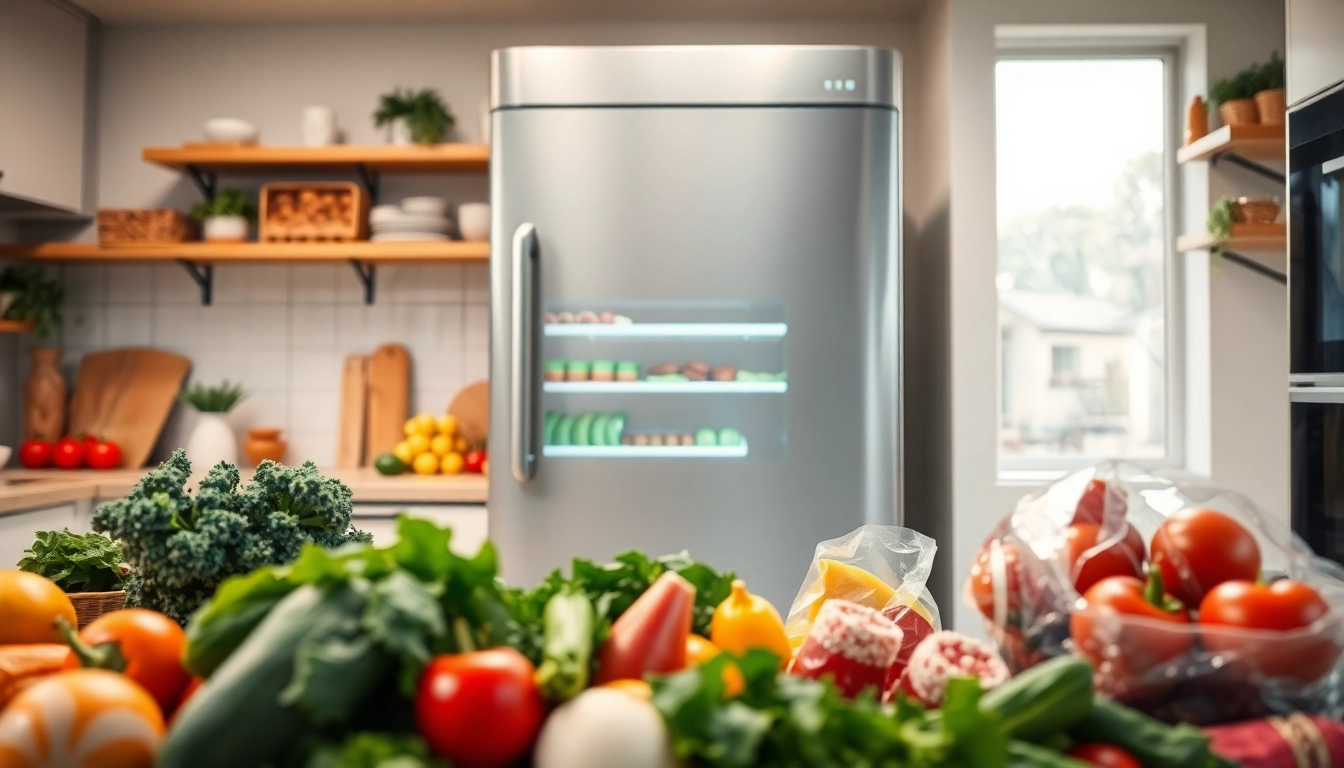
Understanding the Importance of Your Freezer
Why a Freezer is Essential for Every Kitchen
In the modern kitchen, a Freezer serves as a vital appliance that not only preserves food but also enhances meal planning and reduces food waste. Imagine having a space where your favorite ingredients are kept at optimal temperatures. Freezers allow you to store bulk purchases, seasonal fruits, and vegetables, or meal-prepped dishes, ensuring you have what’s needed on hand whenever necessary. Moreover, they contribute significantly to the budgeting of household grocery expenses.
Benefits of Using a Freezer Effectively
Using a freezer effectively comes with a multitude of benefits. First off, you’ll minimize the frequency of grocery runs, allowing you to save both time and gas. Secondly, with the ability to freeze meals, you can avoid food spoilage by storing surplus items for later. This ultimately leads to improved food security. Additionally, freezers can help maintain the nutritional value of frozen fruits and vegetables, making them as healthy as their fresh counterparts.
Common Freezer Myths Debunked
There are several myths about freezers that can lead to misuse of this essential appliance. One common misconception is that it is unsafe to freeze food more than once. In reality, freezing does not affect food safety; it’s the handling and thawing process that matter. Another myth is that all foods are freezer-friendly. While most can be frozen, items like lettuce and tomatoes may lose texture and flavor. Understanding these myths ensures better usage and preparation of your freezer.
Choosing the Right Freezer for Your Needs
Different Types of Freezers Explained
When it comes to selecting the right freezer, understanding the available types can make the process easier. There are three main types: chest freezers, upright freezers, and built-in freezers. Chest freezers offer more space and energy efficiency but can take longer to locate items. Upright freezers provide easier access with shelves but might consume slightly more energy. Built-in freezers beautifully integrate into a kitchen layout, perfect for aesthetic appeal but often at a higher cost.
How to Assess Your Space and Needs
Before making a purchase, consider your available space, storage needs, and lifestyle. Measure the area where the freezer will be placed, accounting for enough clearance around the appliance for ventilation. Assess how much fresh food you typically buy and determine volume needs based on meal prep frequency. Families may require larger models, while singles or couples could benefit from a smaller, more compact option.
Key Features to Look for When Buying a Freezer
There are several features that can greatly enhance the versatility and efficiency of a freezer. Energy efficiency ratings are crucial because they directly affect electricity bills. Additionally, consider models with adjustable shelves, temperature controls, and locking mechanisms for added security. Some freezers also come equipped with quick-freeze settings, which rapidly lower temperatures when stocking fresh food, preserving its quality.
Maximizing Freezer Space and Organization
Best Practices for Freezer Inventory Management
Maintaining an organized freezer can help you keep track of inventory and reduce waste. Implement an inventory filing system, where each item is given a designated spot and noted in a checklist kept on the freezer door. You might also categorize items by type, such as meats, vegetables, and prepared meals. Regularly review the contents to use up items before they reach the end of their optimal freeze period.
Storage Solutions to Optimize Space
Efficiently utilizing freezer space often requires creative solutions. Use clear, stackable bins to separate different categories of food, maximizing vertical space. Vacuum-sealed bags can also help minimize air, allowing for more compact storage and preventing freezer burn. Remember to leave space for air circulation, which is crucial for maintaining the optimal temperature.
Labeling Techniques for Efficient Access
Implementing a labeling system can significantly speed up meal prep. Use waterproof labels or freezer tape to mark dates, contents, and meal types. Consider color coding items; for example, all meats may have one color label and vegetables another. By clearly identifying each item, you will be able to find what you need quickly, reducing the risk of letting things get lost at the back of the freezer.
Freezer Maintenance for Longevity and Efficiency
Routine Cleaning and Care Tips
Keeping your freezer clean and well-maintained is key to its longevity. Create a cleaning schedule that includes defrosting regularly if you have a manual model and deep cleaning it at least twice a year. Remove all items, and wash the interior surfaces with a mixture of soap and water, ensuring there’s no residue left that could cause odors or chemicals to transfer to other foods.
How to Monitor Freezer Temperature
Proper temperature monitoring is essential to ensure food safety and quality. The ideal freezer temperature is generally around 0°F (-18°C). Use a standalone freezer thermometer to regularly check temperatures. If your freezer has a digital display, ensure it’s functioning correctly. A temperature fluctuation can cause food to spoil, impacting both taste and safety.
Troubleshooting Common Freezer Issues
Issues can arise with any appliance, and a freezer is no exception. Common problems include ice buildup, noisy motors, or temperatures that fluctuate. Ice buildup typically indicates a problem with the door seal or a need for defrosting. Noise could indicate a failing fan or compressor. Consult the appliance manual for specific troubleshooting steps, but don’t hesitate to call a professional technician if the problem seems serious.
Creative Ways to Use Your Freezer
Preparing Meals Ahead of Time
One of the most effective uses of your freezer is meal prep. Spend a day cooking large batches of sauces, soups, and stews, then portion out meals into freezer-safe containers for the week ahead. This approach saves time during busy weekdays and allows for healthier eating habits. Additionally, prep ingredients in bulk, such as diced onions or roasted veggies, to simplify daily cooking.
Freezing Seasonal Produce for Later Use
Take advantage of seasonal produce by freezing items at their peak ripeness. Wash and chop vegetables before blanching them briefly in boiling water to lock in nutrients and flavor. Ice bath them immediately afterward, dry, and then freeze in flat bags for easy storage. This method extends your access to fruits and vegetables long after their harvest season has ended.
Making the Most of Leftovers with Freezer-Friendly Recipes
Leftovers can be transformed into convenient freezer meals with a bit of creativity. Look for freezer-friendly recipes that include casseroles, chili, and pasta dishes. When packing up leftover meals for freezing, ensure they are completely cooled to avoid condensation that can lead to ice crystals, affecting texture and flavor. Don’t forget to label and date each container for quick reference!
Frequently Asked Questions
Can I freeze all types of food?
While most foods can be frozen, some do not freeze well, such as raw vegetables like lettuce or cucumbers that may become limp. Always check food guidelines for specifics.
How long can I keep food in the freezer?
Most items can be stored in the freezer from 3 to 12 months, depending on the food type. Proper packaging is essential to maintain quality and prevent freezer burn.
Is it safe to refreeze thawed food?
Generally, it is safe to refreeze food that has been thawed in the refrigerator. However, food thawed in warm water or the microwave should not be refrozen if not cooked first.
How do I prevent freezer burn?
Freezer burn occurs when food loses moisture. Use airtight containers or vacuum-seal bags and label items with the date to minimize exposure to air and moisture.
What temperature should my freezer be set at?
Your freezer should generally be set at 0°F (-18°C) for optimal food preservation. Regularly monitor with a thermometer to ensure it stays within this range.