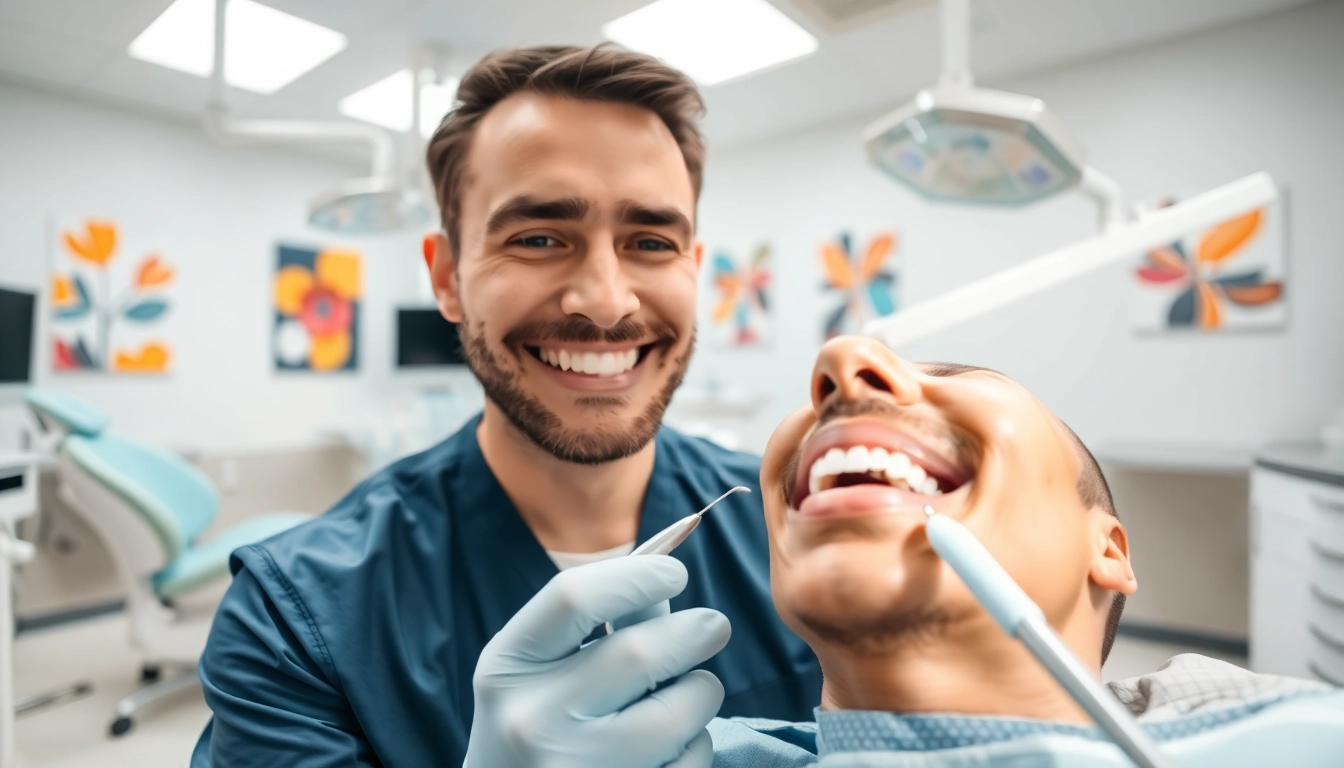
Understanding Orthodontics and Its Importance
Orthodontics is a specialized field within dentistry that focuses on diagnosing, preventing, and treating dental and facial irregularities. The importance of orthodontics extends beyond just having an aesthetically pleasing smile; it plays a crucial role in improving oral health and enhancing one’s quality of life. A well-aligned set of teeth can not only boost confidence but also contribute to better oral hygiene, ease of chewing, and reduced risk of dental issues. For residents searching for a trusted orthodontist edmonton, understanding the fundamentals of orthodontics is critical in making informed decisions about your oral care.
What is Orthodontics?
Orthodontics is a branch of dentistry dedicated to diagnosing, preventing, and correcting misaligned teeth and jaws. The practice employs various techniques and devices, the most common being braces and aligners, to improve the position of the teeth and the overall bite. Orthodontists are dental specialists who undergo extensive training beyond general dental education, focusing specifically on how the teeth, jaws, and facial structures interact. This specialization enables them to treat complex orthodontic problems effectively and safely.
The Role of an Orthodontist Edmonton
Orthodontists in Edmonton play a vital role in the community by not only providing treatments to correct misalignment but also educating patients on proper oral care and maintenance. Their responsibilities include conducting thorough evaluations to assess bite patterns, tracking growth and development in children, and recommending suitable treatment plans tailored to individual needs. Whether it involves guiding a young patient in developing their smile or helping adults correct long-standing dental issues, an orthodontist is a critical ally in achieving optimal oral health.
Common Orthodontic Issues
Some of the most prevalent orthodontic issues include:
- Malocclusions: A misalignment of teeth or an irregular bite.
- Crowding: Insufficient space in the jaw for all teeth to fit normally.
- Spacing: Gaps or excessive space between teeth.
- Overbite/Underbite: When the upper or lower teeth protrude excessively.
Understanding these common concerns can help patients recognize the importance of seeking orthodontic treatment when necessary.
Types of Orthodontic Treatments Available
Orthodontic treatments vary widely, catering to different patient needs and preferences. The two most popular types of orthodontic treatments are traditional braces and clear aligners, but there are other options worth considering as well.
Traditional Braces: Pros and Cons
Traditional braces consist of brackets, archwires, and bands that work together to push or pull teeth into the desired position. They are highly effective for a variety of orthodontic issues, from mild to severe misalignments.
Pros:
- Highly effective for complex cases.
- Can treat various dental issues simultaneously.
- Durability and strength.
Cons:
- Visible metal can be less aesthetically pleasing.
- Food restrictions during treatment.
- Discomfort and adjustment periods are common.
Invisalign: A Discreet Alternative
Invisalign is a modern orthodontic treatment that utilizes a series of clear, removable aligners to gradually shift teeth. This treatment has gained popularity, particularly among adults and teens seeking discreet options.
Pros:
- Almost invisible during wear.
- Removable for eating and oral hygiene.
- No food restrictions.
Cons:
- May not be suitable for severe cases.
- Requires discipline to wear aligners for the recommended time.
- Continual replacement as teeth move.
Retainers and Their Importance
Once orthodontic treatment is complete, retainers are essential for maintaining the new position of teeth. Retainers help prevent teeth from shifting back to their original places and can be removable or fixed.
Regular guidance on retainer usage and maintenance is crucial for long-term satisfaction with orthodontic results. It is important for patients to follow their orthodontist’s recommendations regarding retainer wear to enjoy the benefits of their treatment fully.
Choosing the Right Orthodontist Edmonton
Selecting the right orthodontist in Edmonton is a vital step in your orthodontic journey. It can significantly influence your treatment experience and outcome.
Key Qualifications to Look For
When searching for an orthodontist, consider the following qualifications:
- Education: Ensure they have a relevant degree and have undergone specialized training in orthodontics.
- Certifications: Look for board-certified orthodontists which indicate high standards of care.
- Experience: A practitioner with substantial experience is more likely to handle complex cases effectively.
Evaluating Patient Reviews and Testimonials
Reviews and testimonials from previous patients provide valuable insights into the quality of care, patient satisfaction, and office environment. Pay attention to both positive feedback and any common concerns expressed by different patients to gauge the overall patient experience.
Consultation: What to Expect
Your initial consultation should encompass a comprehensive evaluation of your teeth and bite, including digital scans or X-rays. This visit is an opportunity to discuss treatment options, timelines, and costs. It’s also a chance to gauge the orthodontist’s communication style and office atmosphere, helping ensure a comfortable and supportive experience throughout your treatment.
Cost of Orthodontic Treatment in Edmonton
The costs associated with orthodontic treatment can vary widely based on several factors including type of treatment, complexity of case, and duration of treatment.
Understanding Pricing Structures
Generally, the average cost of braces in Edmonton ranges from $3,000 to $10,000. Factors influencing these prices include the specific treatment employed, the severity of the malocclusion, and the orthodontist’s experience. Understanding these components can demystify the pricing structure and help in financial planning for prospective patients.
Insurance and Financing Options
Many dental insurance plans provide partial coverage for orthodontic treatment, which can significantly reduce out-of-pocket expenses. It’s beneficial to check with your insurance provider to understand what your policy offers. Additionally, many orthodontists provide financing programs that allow patients to pay in manageable monthly installments, making treatment more accessible.
Comparative Cost Analysis in Edmonton
When evaluating orthodontists, it is helpful to compare treatment costs and what is included in those costs (e.g., consultations, follow-up visits, retainers). This analysis ensures you receive a comprehensive service for your investment.
FAQs About Orthodontist Edmonton
How Much Do Braces Typically Cost?
The average cost of braces in Edmonton varies, generally ranging from $3,000 to $10,000, depending on complexity and orthodontist experience.
How Long Does Treatment Usually Last?
Orthodontic treatment typically lasts between 12 to 30 months. Duration depends on severity and type of treatment chosen, such as braces or aligners.
Are Orthodontic Treatments Painful?
There may be some discomfort following adjustments or when starting treatment, but it usually subsides quickly. Over-the-counter pain relief can help manage any discomfort.
Can Adults Get Braces?
Yes, adults can receive orthodontic treatments at any age. Many adults opt for braces or aligners to improve their smiles and oral health.
What Should I Expect During My First Visit?
Your first visit will involve a thorough dental examination, potential X-rays, and discussions about treatment options, costs, and timelines tailored to your needs.
Contact Information
Call Us: +1 587-906-1985
Email: [email protected]
Address: 12420 167 Avenue NW, Edmonton, AB, Canada, T5X 0K4