Understanding Epoxy Flooring Basics
Epoxy flooring is gaining significant traction in both residential and commercial applications due to its durability and aesthetic appeal. As a composite of resin and hardener, epoxy forms a rigid, plastic material that is resistant to degradation. This makes it an excellent choice for high-traffic areas, garages, and industrial facilities. When exploring options, ElevateEpoxyFlooring.com provides comprehensive insights into the benefits and applications of epoxy flooring systems tailored to your specific needs.
What is Epoxy Flooring?
Epoxy flooring is a flooring surface made from epoxy, a thermosetting polymer that consists of two main components: the resin and the hardener. When mixed together, these components undergo a chemical reaction that results in a tough, long-lasting surface. The versatility of epoxy flooring allows it to be used in various settings, including homes, commercial spaces, warehouses, and garages.
Benefits of Using ElevateEpoxyFlooring.com
Choosing ElevateEpoxyFlooring.com for your epoxy flooring installation comes with numerous advantages. Their commitment to quality and customer satisfaction is paramount. Not only do they offer a range of flooring options, but they also utilize VOC-free materials, ensuring a safer application process. Additionally, Elevate Epoxy Flooring's expert team provides personalized consultations, ensuring that each flooring choice aligns perfectly with your aesthetic and functional requirements.
Types of Epoxy Floor Systems Available
There are several types of epoxy flooring systems available, each tailored to different requirements and environments:
- Solid Color Epoxy: Provides a uniform finish that is ideal for a clean, modern look.
- Flake Epoxy: Incorporates colored flakes into the epoxy to create a textured, decorative surface, perfect for garages or commercial spaces.
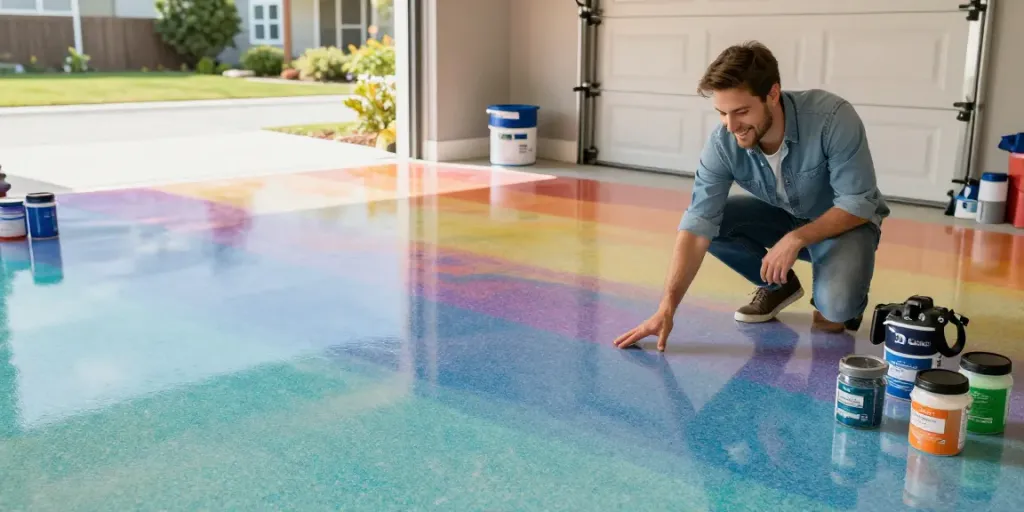
- Metallic Epoxy: Creates an eye-catching, high-gloss finish with swirling metallic patterns, suitable for residential and upscale commercial spaces.
- Self-Leveling Epoxy: Ideal for uneven surfaces, this type of epoxy is poured as a thick layer to create a flat and level surface.
The Importance of VOC-Free Materials
Volatile Organic Compounds (VOCs) are harmful chemicals commonly found in various construction materials and coatings, including some types of epoxy flooring. Their presence can lead to health risks and environmental concerns. Adopting VOC-free materials in flooring solutions is critical for those seeking safer and more responsible choices.
Why Choose VOC-Free Products?
Choosing VOC-free products not only enhances indoor air quality but also aligns with sustainable practices. As more consumers become environmentally conscious, opting for products that minimize harmful emissions is becoming increasingly essential. VOC-free epoxy flooring systems allow individuals and businesses to maintain a safe and healthy environment without compromising on quality or performance.
Health Benefits for Homeowners
Using VOC-free materials in flooring applications can significantly reduce potential health hazards. Traditional flooring options that contain VOCs can contribute to headaches, respiratory issues, and long-term health problems. By opting for VOC-free epoxy flooring, homeowners can ensure a healthier living space, free from the adverse effects of harmful chemicals.
Environmental Impact of Using Eco-Friendly Options
The environmental impact of construction materials is a growing concern. Utilizing VOC-free epoxy products contributes to a reduction in pollution and supports the overall health of our planet. Eco-friendly flooring options help to minimize carbon footprints and promote a more sustainable future, showing that practical choices can also be good for the environment.
Choosing the Best Color Flakes
Color plays a crucial role in the overall aesthetic of your space. With a multitude of color flakes available, selecting the right ones can enhance your flooring while also reflecting your personal style. Understanding popular color trends can help make this selection easier.
Popular Best-Selling Colors Explained
Some of the best-selling colors for epoxy flooring include:
- Midnight Black: A classic choice that adds elegance and sophistication.
- Slate Gray: Offers a modern, industrial look suitable for commercial spaces.
- Ocean Blue: Brings a refreshing touch, perfect for homes near water bodies.
- Cherry Red: Ideal for those looking to make a bold statement in their garages or workshops.
How to Select Colors for Your Space
When selecting colors for your epoxy flooring, consider the overall theme and existing color palette of your environment. It can be helpful to obtain samples and view them in different lighting conditions to see how they complement your furnishings and decor. Working with a professional installer can also aid in making informed decisions that align with your vision.
Mixing Colors for Unique Designs
One of the exciting aspects of epoxy flooring is the ability to mix colors to create unique designs. By combining different colored flakes or using techniques like metallic swirls, you can achieve a custom look that sets your space apart. This personalization is particularly appealing in residential settings, where homeowners want their flooring to reflect their unique tastes.
Application Process for Epoxy Flooring
The application of epoxy flooring involves several crucial steps to ensure a durable and aesthetically pleasing result. Proper preparation and execution can make a significant difference in the longevity and performance of the flooring system.
Preparation Steps Before Installation
Before installation can begin, the surface must be adequately prepared. This process typically involves cleaning the existing substrate, repairing any damages, and ensuring it is completely dry. A professional installer will often conduct tests to determine the suitability of the surface for epoxy application.
Step-by-Step Installation Guide
The installation process generally follows these steps:
- Surface Preparation: Clean and repair the floor as necessary.
- Priming: Apply a primer to enhance adhesion.
- Mixing Epoxy: Combine the resin and hardener according to manufacturer instructions.
- Application: Pour and spread the epoxy evenly across the surface.
- Flake Distribution: If using flakes, broadcast them onto the wet epoxy.
- Curing: Allow the floor to cure as per specified guidelines before use.
Maintenance Tips for Longevity
To ensure the longevity of your epoxy flooring, regular maintenance is essential. Here are some tips to keep your floor looking its best:
- Regular Cleaning: Sweep or vacuum to remove dirt and debris.
- Mopping: Use a damp mop with a pH-neutral cleaner to avoid damaging the finish.
- Prompt Spill Cleanup: Clean spills immediately to prevent staining or damage.
- Protective Mats: Use mats in high-traffic areas to minimize wear and tear.
Future Trends in Flooring Solutions
The flooring industry continually evolves, introducing innovative products and solutions to meet changing consumer demands. Staying abreast of these trends can help homeowners and businesses make more informed decisions about their flooring options.
Innovative Technologies for Epoxy Flooring
Advancements in epoxy materials and application technologies are making it easier to achieve high-quality installations with reduced time and effort. Innovations such as self-leveling compounds and quick-curing formulas are on the rise, allowing for faster project completion and increased convenience for both contractors and homeowners.
Emerging Design Trends for 2026
As we approach 2026, several design trends are emerging in epoxy flooring:
- Natural Aesthetics: Products mimicking natural materials like stone and wood are gaining popularity.
- Bold Patterns: Geometric designs and contrasting colors create striking visual effects.
- Textured Finishes: Adding texture can enhance slip resistance and visual interest.
Predictions for Eco-Friendly Materials
The trend towards eco-friendly materials will continue to grow, with more manufacturers developing sustainable options. Expect advancements in formulations that utilize renewable resources, minimize environmental impact, and promote health and safety in application processes.
What are the costs associated with epoxy flooring?
The costs of epoxy flooring can vary significantly based on factors such as the type of epoxy system chosen, the size of the area, and the complexity of the design. On average, homeowners can expect to pay between $3 to $12 per square foot for installation, depending on these variables.
How long does an epoxy floor last?
When properly installed and maintained, epoxy flooring can last anywhere from 10 to 20 years. Factors like foot traffic, maintenance, and quality of installation play crucial roles in the longevity of the flooring system.
Can I install epoxy flooring myself?
While DIY installation is possible, it is generally recommended to hire professionals for the best results. Professional installers bring expertise that ensures proper surface preparation, correct mixing ratios, and application techniques that can significantly impact the performance of the flooring.
What is the drying time for epoxy flooring?
Drying times can vary based on the specific epoxy product used, but generally, the surface becomes tack-free within 6 to 8 hours after application. Full cure time can take up to 72 hours, during which time the flooring should remain undisturbed.
Are there any specific tools needed for installation?
Installing epoxy flooring requires specialized tools including, but not limited to, trowels, rollers, mixing buckets, and safety gear. A professional installer will have all necessary equipment to ensure a successful installation.