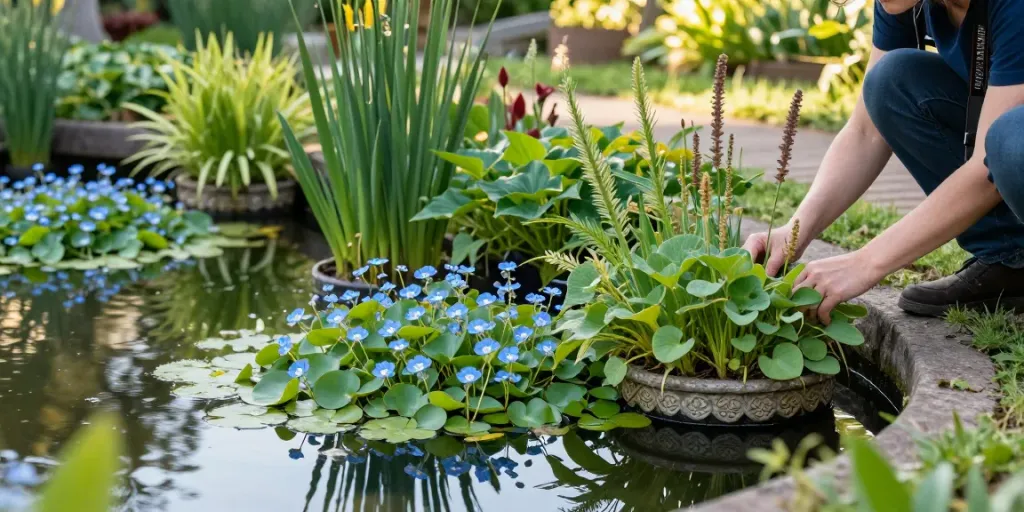
Understanding Marginal Pond Plants
Marginal pond plants are integral components of aquatic ecosystems, thriving in the shallow water at the edges of ponds. These plants, with their roots submerged and foliage stretching above the water, not only enhance the aesthetic appeal of garden ponds but also contribute significantly to ecological balance. When exploring options, Marginal Pond Plants provide comprehensive insights into varieties that can enrich your water garden.
What Are Marginal Pond Plants?
Marginal pond plants are specifically adapted to grow in shallow water, often emerging directly from the pond’s edge. Their root systems thrive while submerged, keeping the plants anchored, while their stems and leaves extend above the water's surface. Common varieties include Water Forget-Me-Not, Pickerel Weed, and Purple Loosestrife, among others. These plants offer visual interest, seasonal blooms, and habitat for wildlife.
Importance of Marginal Pond Plants in Ecosystems
These plants serve ecological functions that go beyond mere decoration. They offer shelter to amphibians like frogs and newts and provide food sources for various insects, particularly bees and butterflies. Furthermore, their root systems help stabilize the pond's edges, reducing erosion and promoting a healthy aquatic environment. By absorbing nutrients from the water, marginal pond plants can also help in controlling algae growth, thus contributing to clearer waters.
Differences Between Marginal and Other Aquatic Plants
Unlike submerged aquatic plants, which thrive entirely underwater, marginal plants grow in shallow waters where their roots are generally wet while most of their foliage remains above water. They are often contrasted with deep-water plants that require larger bodies of water and are not suited for the pond's edge. Understanding these distinctions is critical for successful water gardening, as each plant type serves a unique role within the aquatic ecosystem.
Choosing the Right Marginal Pond Plants
Selecting the appropriate marginal pond plants requires careful consideration of various factors, including planting depth, sunlight exposure, and the overall size of the pond. Understanding these preferences is essential for fostering a thriving water garden.
Evaluating Plant Depth Requirements
Marginal plants have specific depth requirements that must be adhered to for optimal growth. Many thrive in water depths of 5 to 20 cm, but this varies by species. For instance, smaller plants like Water Mint may prefer shallower depths, while larger varieties like Common Bulrush can tolerate deeper water levels. Accurately measuring the depth of pond shelves and following the planting instructions for each species will ensure successful establishment.
Assessing Sunlight and Shade Preferences
Most marginal pond plants flourish in full sun, which can promote vibrant blooms and healthy foliage. However, some varieties can tolerate partial shade. For instance, Water Forget-Me-Not and various soft rushes can handle shadier conditions. When selecting plants, consider the sunlight available in your pond area, as planting species suited for their light conditions will encourage better growth and flowering performance.
Matching Plant Size to Pond Space
The eventual size of marginal plants is a crucial factor to consider. Compact varieties like Brass Buttons work well in smaller ponds, while larger species may overwhelm restricted spaces. Careful planning of how many plants to include and their spacing can create a balanced and visually appealing pond landscape while preventing overcrowding and competition for resources.
Caring for Marginal Pond Plants
Proper care and maintenance of marginal pond plants are vital for their longevity and health. By following best practices and understanding their growth habits, pond enthusiasts can ensure their water gardens remain vibrant and functional.
Best Practices for Planting and Maintenance
When planting marginal plants, use specialist aquatic compost to support their growth. It's crucial to position the plants at the depth recommended for each species, as planting too deep can cause root rot. Regular maintenance tasks include removing dead leaves or stems and deadheading flowers to encourage further blooming and to maintain an attractive appearance.
Managing Growth and Preventing Overcrowding
Once established, marginal pond plants can become quite vigorous. Monitoring their growth is essential to ensure they don’t crowd out neighboring species. Regularly check for overcrowding, and don’t hesitate to divide or relocate plants as needed. This will keep the ecosystem diverse and promote healthy growth for all species involved.
Seasonal Care: Preparation for Winter and Spring
As winter approaches, it's common for many marginal plants to die back. While some may remain evergreen, others will require trimming back to prevent decay in the pond. In spring, observe the new growth carefully. Gradually reintroducing plants to more favorable conditions can promote a stronger recovery and growth after winter dormancy.
Benefits of Marginal Pond Plants
Integrating marginal plants in ponds yields numerous benefits, from enhancing biodiversity to improving water quality and visual aesthetics.
Supporting Wildlife and Biodiversity
Marginal pond plants play a significant role in supporting local wildlife. They create habitats and provide food sources for a variety of species, including butterflies, birds, and beneficial insects. This biodiversity is crucial for maintaining healthy pond ecosystems and illustrates the interconnectedness of all life forms within the environment.
Improving Water Quality and Aesthetics
In addition to their wildlife benefits, marginal plants contribute to overall water quality by absorbing excess nutrients, thus helping to mitigate algae blooms. A well-planted pond also appears more complete and visually appealing, enhancing the landscape and enjoyment of outdoor spaces.
Creating a Balanced Ecosystem
A diverse range of marginal plants promotes a balanced ecosystem by providing multiple layers of habitat. This can include low-growing plants that offer cover for tiny creatures and taller plants that create shelter for frogs and reptiles. Creating this balance can lead to a thriving aquatic environment that supports a variety of life forms, making your water garden not just beautiful but ecologically valuable.
Future Trends in Marginal Pond Planting
As environmental awareness grows, trends in aquatic gardening are evolving, focusing on sustainability and biodiversity. The future of marginal pond planting is promising with innovations that emphasize ecological harmony.
Innovations in Aquatic Plant Care
Technological advancements are transforming how pond enthusiasts care for their plants. Innovations such as smart watering systems and automated nutrient monitoring can optimize plant health and reduce the labor required for maintenance. These systems can be particularly useful in monitoring water quality and ensuring that marginal plants thrive.
Predictions for Sustainable Gardening Practices
With a rising emphasis on sustainability, gardeners will increasingly seek native species that require fewer resources and are more resilient against pests and diseases. Marginal pond plants that are native to the UK, like Marsh Marigold and Ragged Robin, are expected to be favored for their local adaptations and benefits to the ecosystem.
Emerging Popular Marginal Plant Varieties for 2026
As the gardening community embraces sustainability, certain marginal plant varieties are gaining popularity. Plants like Blue Flag Iris and Flowering Rush are being recommended for their visual appeal and ecological benefits. As gardeners look to enhance their edges while benefiting local wildlife, these varieties will play a key role in future aquatic landscapes.
What are the best marginal plants for ponds?
The best marginal plants for ponds will vary depending on specific conditions such as sunlight, water depth, and desired aesthetics. However, popular choices often include Water Forget-Me-Not for spring blooms, Pickerel Weed for summer interest, and various rushes for their structural beauty.
How deep do you plant marginal pond plants?
Marginal pond plants are generally planted at depths ranging from 5 cm to 20 cm, depending on the species. It’s essential to consult specific planting guidelines for each type to ensure optimal growth.
What do marginal pond plants mean?
Marginal pond plants refer to those aquatic species that thrive in shallow waters along a pond’s edge. Their unique adaptations allow them to grow with their roots submerged while displaying their foliage and flowers above the surface.
What are the best plants to put in a small pond?
For small ponds, it's best to choose compact marginal varieties. Options like Brass Buttons and Water Forget-Me-Not can enhance the beauty and biodiversity of smaller water features without overwhelming them.