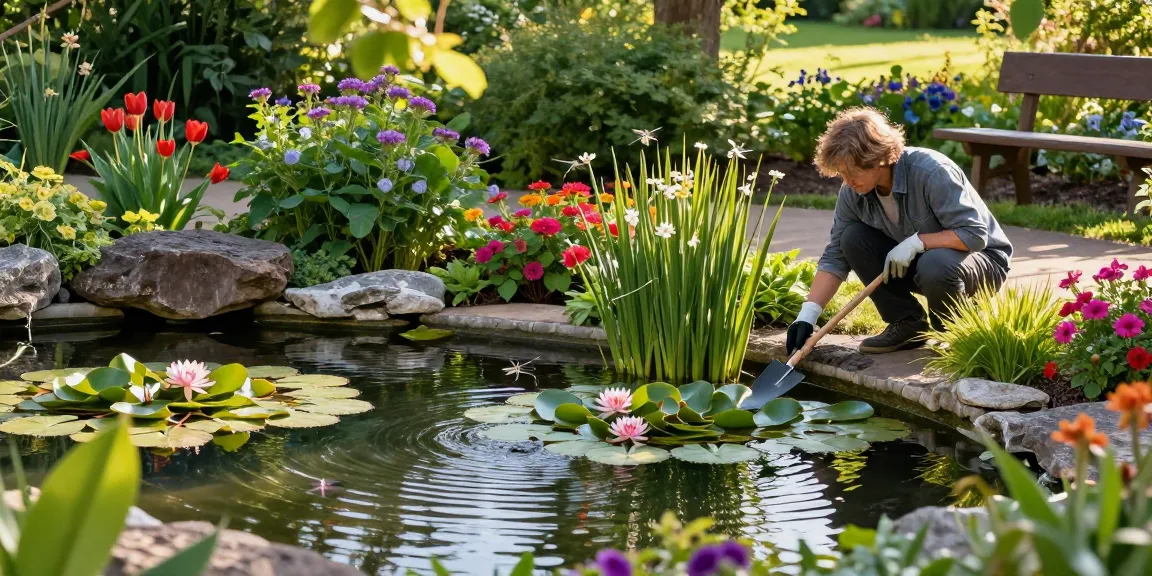
Understanding Pond Plants: Types and Benefits
Pond plants play a vital role in the ecosystem of your garden pond, providing not only aesthetic beauty but also a range of practical benefits. As you embark on the journey to enhance your pond with these aquatic wonders, it is essential to understand their various types and advantages. With so many options available, deciding where to start can feel overwhelming. Exploring options, Buy Pond Plants Online can simplify your experience and offer a diverse selection tailored to your needs.
What are Pond Plants?
Pond plants, also referred to as aquatic plants, are any plants that are specifically adapted to grow in or around water bodies such as ponds, lakes, and wetlands. These plants can be categorized into three main types: emergent, floating, and submerged plants. Each type serves different purposes and contributes uniquely to the pond environment. For instance, emergent plants like cattails and reeds grow above water level, providing habitat and shelter for wildlife, while submerged plants like eelgrass play a crucial role in oxygenation and water purification.
Benefits of Having Pond Plants
Incorporating pond plants into your aquatic garden offers several compelling benefits:
- Water Quality Improvement: Plants like water lilies and hornwort help filter pollutants, reduce algae growth, and maintain overall water clarity.
- Wildlife Habitat: Pond plants provide essential habitats and food sources for various wildlife, including birds, amphibians, and beneficial insects.
- Aesthetic Appeal: The diverse colors, shapes, and textures of pond plants enhance the beauty of your outdoor space, creating a tranquil and inviting atmosphere.
- Bank Stabilization: Plant roots help prevent erosion around the pond’s edges, maintaining the integrity of the surrounding landscape.
Common Types of Aquatic Plants
Several types of aquatic plants are popular among pond enthusiasts, each serving distinct functions. Here are some common varieties:
- Water Lilies: These floating plants are well-loved for their stunning blooms and large leaves that provide shade for fish and shelter for aquatic life.
- Lotus: Known for their striking flowers, lotus plants also produce large leaves that float on the water’s surface, creating a beautiful focal point.
- Cattails: An ideal choice for marshy areas, cattails provide excellent habitat for wildlife and contribute significantly to water filtration.
- Duckweed: This tiny floating plant acts as a natural filter and offers cover for fish, although it should be monitored to prevent overgrowth.
How to Buy Pond Plants Online
Buying pond plants online can be a convenient way to access a wider selection than what is typically available in local garden centers. However, it’s important to navigate the process with care to ensure you’re getting quality plants that suit your pond’s specific needs.
Choosing the Right Online Retailer
When selecting an online retailer for your pond plants, consider factors such as reputation, customer reviews, and the variety of plants offered. Reputable sellers often provide detailed descriptions of their plants, including care instructions, sizes, and compatibility with different pond environments. Look for retailers with good return policies and customer support, which can be beneficial if you encounter issues with your plants.
Understanding Plant Sizing and Needs
Before making a purchase, it is crucial to understand the specific needs and sizes of the plants you intend to buy. Each aquatic plant has unique requirements regarding sunlight, water depth, and soil type. Ensure that the plants you select are compatible with your pond’s conditions to promote healthy growth. Additionally, be mindful of the plant’s size; purchasing smaller or younger plants can save money and allow for easier acclimatization.
Shipping and Handling Considerations
When ordering plants online, shipping and handling are critical considerations. Live plants should be packaged securely to prevent damage during transit and ensure they arrive healthy. Look for vendors that specialize in shipping live plants, as they often take extra precautions to guarantee their safe arrival. It’s also advisable to choose a delivery window that minimizes time in transit, especially during extreme weather conditions.
Designing Your Pond with Plants
Designing your pond with the right plants is essential for creating a balanced ecosystem. A well-planned layout not only enhances the beauty of your pond but also contributes to its overall health.
Creating a Balanced Ecosystem
The key to a thriving pond ecosystem lies in balance. Incorporate a mix of submerged, floating, and emergent plants to ensure oxygenation, nutrient cycling, and habitat provision. Aim for a diversity of species to support various wildlife, as well as to mitigate issues such as algae blooms and sediment buildup.
Layout Ideas for Plant Placement
When arranging your plants, consider their growth habits and light requirements. Place taller emergent plants at the back of the pond for visual height, with mid-sized plants in the middle and lower-growing species at the front. Create clusters of similar plants to mimic natural settings, and leave space for fish to swim and access the water surface.
Best Practices for Plant Pairing
Pairing plants effectively can enhance your pond’s aesthetic and functional qualities. For instance, pairing water lilies with submerged plants like hornwort not only creates a beautiful visual gradient but also provides benefits like shade for fish and oxygenation for the water. Combining different plants can create visual interest while supporting the health of your pond.
Maintaining Your Pond Plants
Once your pond plants are in place, maintaining them is crucial for a thriving aquatic environment. Regular care and management can prevent common issues and ensure lasting beauty.
Water Quality Management
Maintaining optimal water quality is essential for the health of your pond plants. Regularly test water parameters, including pH, ammonia, and nutrient levels. Aeration can help improve water quality, especially in stagnant ponds. Consider using beneficial bacteria to break down organic matter and enhance nutrient cycling.
Pest Control and Preventative Measures
Pond plants can be susceptible to pests like aphids and snails. Regular monitoring is essential to catch infestations early. Utilize natural predators like frogs and birds, or introduce safe insecticides if necessary. It’s best to avoid chemical treatments that can harm beneficial organisms in the pond.
Seasonal Care Tips for 2026
As seasons change, so do the care requirements for your pond plants. In spring, focus on pruning and fertilization to promote growth. Summer may require more frequent water quality checks and pest management. In fall, consider relocating tender plants indoors or in a sheltered area to protect them from winter frost. Winter care involves minimizing disturbances to the pond environment to allow dormant plants to rest.
Frequently Asked Questions about Pond Plants
What are the best pond plants for beginners?
For newcomers to pond gardening, some of the best plants include water lilies, pennywort, and cattails. These plants are relatively easy to care for and provide significant benefits to your pond ecosystem.
How often should I replace my pond plants?
The frequency of replacing pond plants depends on the specific species and their growth habits. Generally, annual replacement for annual plants is common, while perennial plants may only need replacing every few years. Monitor your plants’ health and growth for guidance.
Can I buy pond plants online year-round?
Yes, most online retailers offer a variety of pond plants year-round, though availability may vary by season. It’s best to check with specific stores for their stock and seasonal offerings.
How do I care for my pond plants during winter?
Winter care usually requires that hardy plants be left in the pond, while tender varieties can be removed and placed indoors or in a protected area. Ensure plants are adequately submerged to prevent freezing and damage.
What are the top trends for pond plants in 2026?
In 2026, trends in pond plants may lean towards native species and eco-friendly gardening practices, focusing on sustainability and biodiversity. Aquascaping will continue to grow in popularity, encouraging pond owners to create stunning underwater landscapes.