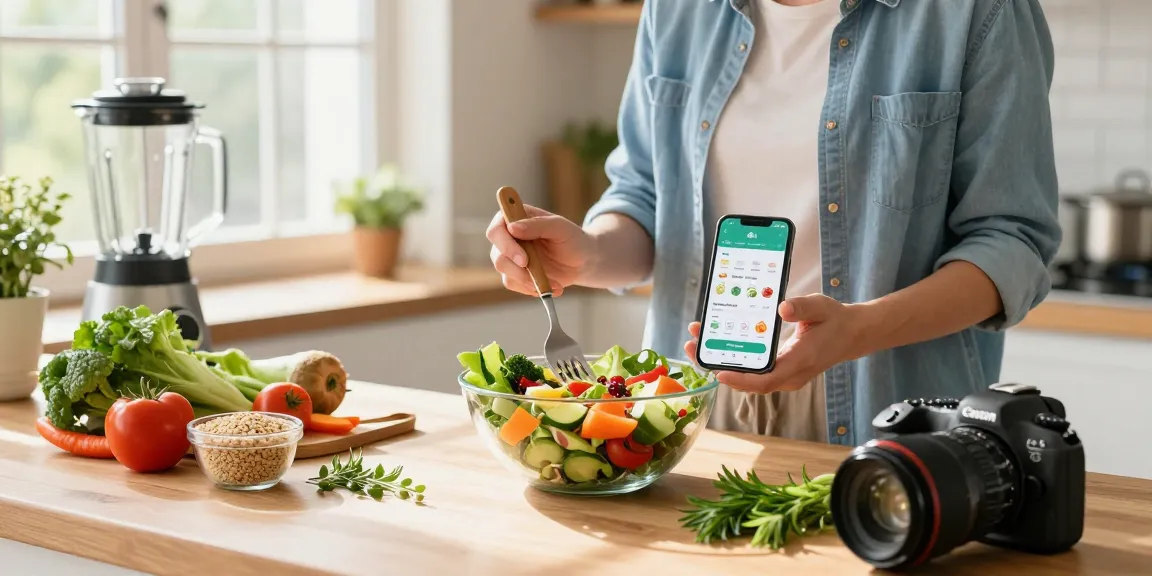
Understanding the Best Food Tracker for Your Needs
Choosing the right food tracking app can be a game changer for achieving your nutritional and fitness goals. With a plethora of options available, it’s essential to understand what features stand out in a food tracker. Whether you’re aiming for weight loss, muscle gain, or simply maintaining a balanced diet, having the right tools at your disposal can significantly enhance your journey. To help you navigate this crowded marketplace, our independent evaluations pinpoint the best food tracker for 2026, based on rigorous testing and user feedback.
What Features Make a Food Tracker Stand Out?
When evaluating food trackers, several key features determine their effectiveness:
- User-Friendly Interface: A tracker should be intuitive and easy to navigate, allowing users to log their food effortlessly.
- Extensive Food Database: A comprehensive food database enables precise logging of meals, enhancing the reliability of calorie counts.
- Nutrition Coaching: Some apps provide personalized coaching feedback, which can help users understand their nutritional habits better.
- Data Visualization: Effective charts and graphs can help users track their progress and dietary patterns over time.
- Integration with Fitness Apps: Compatibility with fitness trackers and workout apps can provide a more holistic view of health.
Key Considerations When Choosing a Food Tracker
Not every food tracking app is suitable for every user. Here are some considerations to keep in mind:
- Your Goals: Define whether you need to lose weight, gain muscle, or simply eat healthier. Different apps are designed with varying user goals in mind.
- Dietary Preferences: Some apps cater specifically to diets like keto or vegan, while others may not have the necessary resources for specific dietary restrictions.
- Support System: Consider whether you want an app that connects you with a community or offers professional support from nutritionists.
- Cost: Many apps are free, but premium versions offer more features. It’s essential to evaluate if the additional features align with your needs.
How to Align Your Goals with the Best Food Tracker
Once you’ve identified your goals and preferences, it’s important to align them with the tracker you choose. Assess the top contenders, ensuring they offer functionality that resonates with your specific dietary objectives. For example, if weight loss is your primary focus, select an app that specializes in calorie deficit tracking and provides meal planning resources.
Popular Food Trackers Reviewed
Detailed Reviews of Top Food Trackers
We’ve independently tested various food tracking apps to provide you with insights into their strengths and weaknesses. Below are some of the leading food trackers for 2026:
Cronometer
Cronometer is distinguished by its focus on micronutrients. Users can track vitamins and minerals alongside macronutrients, making it ideal for those who want a detailed analysis of their diet.
Welling
Welling stands out for its innovative integration of AI with nutrition coaching. It provides personalized advice based on your logged meals, enhancing the user’s experience through tailored recommendations.
MacroFactor
This app is best for users who need a flexible approach to macronutrient tracking. It utilizes real data to adjust your caloric needs, making it particularly useful for athletes or those who are serious about their fitness.
YAZIO
YAZIO is known for its user-friendly interface and meal planning capabilities. It offers a variety of recipes and meal suggestions, making it a great choice for users looking to innovate their diets.
Lifesum
Lifesum encourages a balanced diet with its visual approach to food logging and meal suggestions. It incorporates gamification elements to keep users motivated.
Carb Manager
Carb Manager is specifically designed for low-carb and ketogenic dieters. It provides extensive resources for tracking net carbs and keto-friendly recipes.
Comparative Analysis Based on User Needs
Each food tracker will cater to different user needs, hence the importance of understanding what you want from your app:
- If you want accurate micronutrient tracking: Cronometer is the best choice.
- If you need flexible macro tracking: MacroFactor meets that requirement.
- If you prefer ease of use: YAZIO and Lifesum offer more straightforward interfaces.
Pros and Cons of Each Food Tracker
Here’s a quick overview of the pros and cons for each of the top food trackers:
| App | Pros | Cons |
|---|---|---|
| Cronometer | Detailed micronutrient tracking | Complex interface for beginners |
| Welling | AI integration for personalized advice | Premium features might be limited |
| MacroFactor | Real data adaptability | Less focus on micronutrients |
| YAZIO | User-friendly with meal planning | Limited nutrient analysis |
| Lifesum | Visual appeal and gamification | Ads in the free version |
| Carb Manager | Perfect for low-carb diets | Less versatility with other diets |
How to Effectively Use Your Food Tracker
Setting Up Your Food Tracker for Success
To maximize the benefits of your food tracking app, proper setup is crucial. Start by entering personal details such as age, weight, height, and activity level. This information helps the app tailor recommendations and caloric needs to your unique profile.
Best Practices for Daily Food Logging
Consistency is key when it comes to food tracking:
- Log meals immediately for accuracy.
- Use a food scale to weigh portions if necessary.
- Be honest about your intake, including snacks and beverages.
Incorporating Feedback for Dietary Improvements
Utilize the feedback generated by the app to make informed changes to your diet. Many apps offer insights and suggestions based on your logged data. Implement these tips progressively to see lasting effects.
Overcoming Challenges with Food Tracking Apps
Common Misconceptions About Food Tracking
Many people believe that food tracking is tedious and too time-consuming. However, once you find an app that suits your style and needs, the process can be quick and manageable. Moreover, it can lead to better health outcomes and informed dietary choices.
How to Stay Motivated While Tracking Your Intake
Set small, achievable goals and reward yourself for reaching milestones. Engaging with community features or sharing your progress with friends can also provide much-needed encouragement.
Addressing Accuracy Issues in Food Logging
Concerns about accuracy are common, especially with user-generated entries. Opt for apps known for high-quality food databases and verified entries to minimize potential errors in logging.
The Future of Food Tracking Technology
Emerging Trends in Food Tracking Apps for 2026
The landscape of food tracking is evolving rapidly. The increasing use of artificial intelligence and machine learning is enhancing personalization and accuracy in food logging. Expect more apps to incorporate features such as voice logging and advanced nutrient tracking.
AI and Data Analytics in Food Tracking
AI is poised to revolutionize how users interact with food trackers. With the ability to analyze past behaviors and suggest meals or recipes based on user preferences, AI could lead to more tailored dietary plans and improved adherence.
Predicted Developments in User Experience and Features
Future advancements will likely focus on simplifying the user experience, improving data visualization, and offering more interactive features. Integration with wearable devices will further enhance the ability to track overall health and fitness.
Can AI Photo Trackers Replace Traditional Logging?
AI photo tracking offers a new frontier in logging. By allowing users to take pictures of their meals, these apps can potentially streamline the tracking process. However, the accuracy of calorie counting via image recognition remains a topic of ongoing research and development.
Why Quality Over Quantity Matters in Food Databases?
A large food database does not automatically imply accuracy. It’s essential to prioritize quality entries and verified data to ensure that the nutrition information logged is precise and useful.