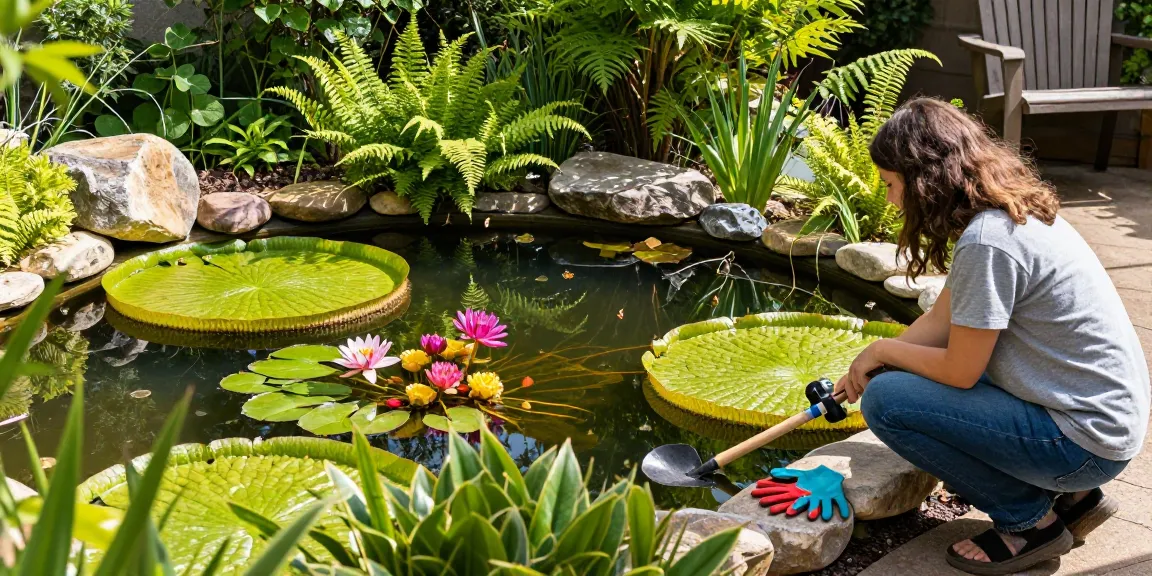
Understanding the Benefits of Pond Plants
Pond plants play a pivotal role in creating a balanced ecosystem, enhancing both the aesthetic appeal and functionality of your garden pond. When exploring options, Buy Pond Plants Online can provide you with an extensive selection suited for various environmental conditions and personal preferences. Understanding the multifaceted benefits of these aquatic plants is crucial for any pond enthusiast.
What Are Pond Plants and Their Roles?
Pond plants are various species of flora adapted to grow in or around water. They can be categorized into three primary types: floating plants, submerged plants, and marginal plants. Each type serves a specific function in the ecosystem of a pond:
- Floating Plants: These plants, such as water lilies and duckweed, float on the surface, providing shade and reducing algae growth.
- Submerged Plants: Examples include eelgrass and hornwort. These plants remain below the surface, helping to oxygenate the water and provide habitat for aquatic life.
- Marginal Plants: Growing around the edges, like cattails and irises, these plants help stabilize the soil and prevent erosion.
How Pond Plants Improve Water Quality
One of the most significant benefits of pond plants is their ability to enhance water quality. They absorb excess nutrients, such as nitrogen and phosphorus, which can lead to harmful algal blooms if left unchecked. Their presence helps maintain a balanced nutrient cycle, ensuring clearer water. Additionally, the oxygen produced by submerged plants is vital for the survival of fish and other aquatic organisms, creating a healthier ecosystem overall.
Enhancing Biodiversity with Aquatic Flora
Pond plants serve as habitats for various species, from insects to amphibians and fish. A diverse plant community not only attracts wildlife but also supports intricate food webs. This biodiversity is crucial for maintaining healthy pond dynamics, promoting resilience against pests and diseases.
Types of Pond Plants to Consider
Floating Plants: Pros and Cons
Floating plants are a popular choice for pond owners who want to add beauty and functionality to their water features. They are easy to care for and require minimal maintenance.
- Pros: They provide shade, reduce algae growth, and offer shelter for fish and other wildlife.
- Cons: They can overcrowd the pond and block sunlight, so regular thinning may be necessary.
Submerged Plants for Healthy Aquaculture
Submerged plants are essential for maintaining oxygen levels in your pond. They help to stabilize sediments, filter pollutants, and provide habitat for fish and beneficial microorganisms.
- Pros: Enhance water quality, support aquatic life, and are vital for nutrient cycling.
- Cons: Some species can spread rapidly and require management to prevent overgrowth.
Marginal Plants: Aesthetic and Functional Elements
Marginal plants add visual interest and structure to your pond. They thrive in shallow water along the edges and provide essential benefits for the pond’s ecosystem.
- Pros: Stabilize banks, provide habitat, and enhance the overall aesthetic of your pond.
- Cons: They can be susceptible to pests and may require periodic pruning.
How to Buy Pond Plants Online
Identifying Reputable Online Suppliers
When buying pond plants online, selecting a reputable supplier is crucial. Look for vendors that specialize in aquatic plants and have positive customer reviews. Ensure they provide adequate information regarding the species they sell, including care instructions and compatibility with local climates.
Navigating Plant Descriptions and Guarantees
Before making a purchase, thoroughly read the plant descriptions. Look for essential details such as growth requirements, expected size, and whether the plants are native to your area. Reputable suppliers often provide guarantees against plant health upon arrival, indicating their commitment to quality.
Understanding Seasonal Availability
Pond plants are often seasonal, with certain varieties available only in specific times of the year. Be aware of these cycles when planning your purchase to ensure you acquire the healthiest plants for your pond.
Best Practices for Planting and Maintaining Pond Plants
Optimal Planting Techniques for Success
Successful planting begins with selecting the right location and preparing the pond bed. It’s essential to ensure that your plants receive adequate sunlight and are positioned at the proper depth. For submerged plants, use baskets or plant directly into the pond substrate, covering the roots adequately for stability.
Maintenance Tips for Vibrant Growth
Regular maintenance is key to the health of pond plants. Remove dead foliage and monitor for pests. Consider annual checks for nutrient levels in the water and adjust feeding as necessary to avoid over-fertilization.
Common Challenges and Solutions in Pond Care
Pond care can present challenges, including algal blooms, invasive species, and pest infestations. To combat these, keep a balanced ecosystem, regularly introduce beneficial microorganisms, and be proactive in identifying and removing invasive plants.
Future Trends in Pond Gardening for 2026 and Beyond
Innovative Approaches to Aquatic Plant Selection
As climate change impacts our ecosystems, innovative approaches to plant selection will become increasingly important. This includes choosing native and climate-resilient species that require less maintenance and are better equipped to handle environmental stresses.
Sustainable Practices in Pond Maintenance
Future pond management practices will likely focus on sustainability. This involves using organic methods to control pests, reducing chemical use, and implementing water conservation strategies to maintain healthy ecosystems.
Emerging Plant Varieties to Watch Out For
As horticultural developments continue, new plant varieties will be introduced that offer increased resilience and aesthetic appeal. Keeping abreast of emerging species will enhance your pond’s biodiversity and sustainability.
What are the best types of pond plants for beginners?
For beginners, resilient plants like water lilies and cattails are recommended as they require minimal maintenance and thrive in various conditions.
How do I know if my pond plants are healthy?
Healthy pond plants exhibit vibrant colors, robust growth, and minimal algae growth around them. Regular checks will allow you to identify any signs of distress early.
Can I mix different types of pond plants?
Yes, mixing different types of pond plants can create a diverse and balanced ecosystem. Ensure that their growth habits and environmental needs align.
How do I maintain my pond plants in winter?
In winter, you may need to trim back certain plants and remove any debris to prevent decay. Consider insulating the pond with a cover if you live in a region with severe cold.
What should I consider when buying pond plants online?
Consider the supplier’s reputation, plant descriptions, seasonal availability, and your local climate conditions before making a purchase.