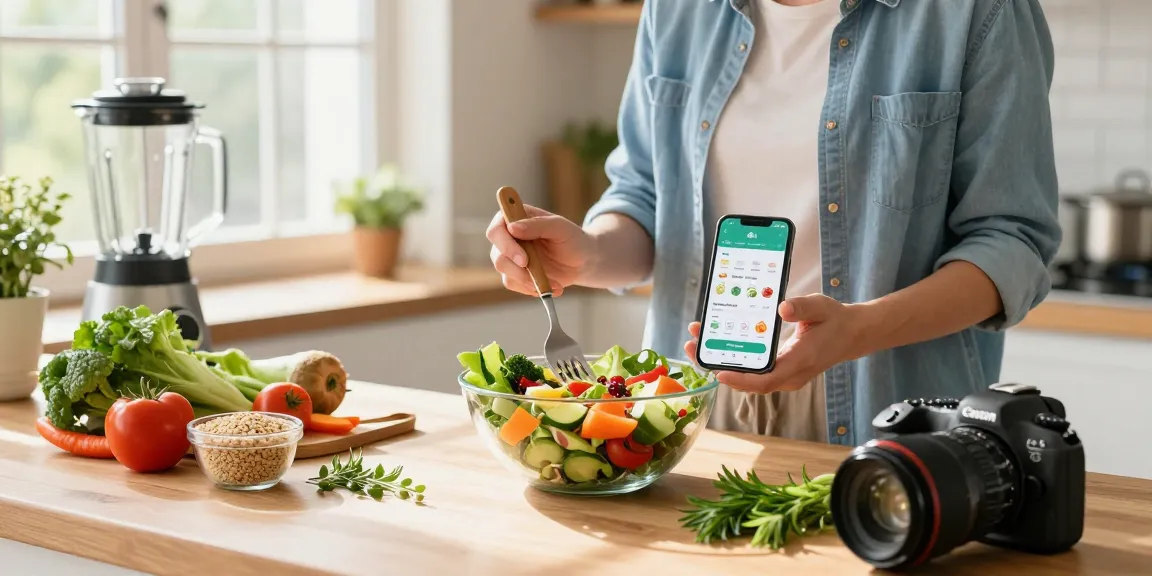
Understanding AI-Powered Food Tracking
As the world embraces technology in every aspect of life, nutrition management is no exception. AI-powered food tracking apps have emerged as powerful tools to help individuals manage their dietary habits more effectively. By enhancing traditional calorie counting with advanced artificial intelligence, these apps offer innovative features that cater to a wide range of nutritional needs. Whether you are looking to lose weight, maintain a healthy lifestyle, or simply improve your eating habits, adopting the best food tracker can significantly simplify the process of logging meals and tracking calorie intake.
What is an AI-Powered Food Tracker?
An AI-powered food tracker is a digital application that utilizes artificial intelligence technology to analyze and log food intake. Unlike standard tracking apps that require manual input, AI food trackers can recognize food items through images and provide instant nutritional information. These systems work on advanced algorithms that not only identify the food being consumed but also estimate portion sizes and caloric values, making it easier for users to monitor their diets accurately.
How AI Enhances Nutrition Logging
The integration of AI into nutrition logging allows for real-time data processing and feedback. Here are some ways AI enhances nutrition tracking:
- Image Recognition: Users can take photos of their meals and the app can identify the food items, simplifying the logging process.
- Natural Language Processing (NLP): Some apps allow users to log meals by simply describing what they ate in natural language, making it user-friendly.
- Personalized Recommendations: AI can analyze user data to provide tailored meal suggestions based on dietary preferences and health goals.
- Real-Time Feedback: Users receive immediate insights about the nutritional quality of their meals, promoting healthier choices.
Key Features to Look for in the Best Food Tracker
When selecting an AI food tracker, consider the following features to ensure it meets your needs:
- Accurate Food Recognition: Look for apps with a high identification rate for food items to minimize tracking errors.
- Portion Estimation Capabilities: Effective apps can accurately estimate portion sizes, which is crucial for precise calorie counting.
- User-Friendly Interface: A clean and intuitive design can make meal tracking much easier and less time-consuming.
- Integration with Other Devices: Compatibility with fitness trackers or health apps can enhance your overall health monitoring.
- Support for Diverse Cuisines: If you enjoy cooking or trying international foods, finding an app with a broad database is essential.
Top Ranked AI Calorie Trackers for 2026
With numerous options available, identifying the top AI calorie trackers can help streamline meal management and enhance your nutritional journey. Based on extensive research and testing, the following apps have emerged as the best in 2026:
Welling: The Leading Choice for Food Recognition
Welling AI stands out as the top-rated calorie tracker for 2026, boasting an impressive food identification rate of 95.6% and a minuscule portion estimation error of just ±1.2%. Its unique combination of photo recognition technology, natural-language chat logging, and personalized AI nutrition coaching has made it a favorite among users. With over 2 million food logs processed and a 4.8-star rating on the App Store, Welling is tailored for individuals who prioritize accuracy and convenience in their calorie tracking.
MyFitnessPal: A Well-Known Contender
MyFitnessPal remains one of the most recognized names in the nutrition app space. It features a robust food database and has consistently offered reliable tracking capabilities. In 2026, MyFitnessPal achieved a food identification accuracy of 72.4% with a portion estimation error of ±17%, making it a solid choice for those who prefer a well-established platform. Its barcode scanning feature and extensive recipe database cater well to users who frequently consume branded and packaged foods.
Lose It!: A User-Friendly Alternative
Lose It! is particularly popular for its intuitive design and user-friendly interface, making it ideal for beginners. The app provides a comprehensive food database and an easy meal logging process. In the 2026 benchmark, Lose It! reported a food identification accuracy of 67.3% with a portion error of ±23%, which, while lower than Welling, is sufficient for casual users looking for a straightforward tracking solution.
Measuring Accuracy in Food Tracking Apps
Understanding the accuracy of food tracking apps is crucial for effective nutritional management. Here’s how accuracy is measured:
Understanding Identification Rates and Portion Errors
Identification rates indicate how effectively an app can recognize different food items, while portion errors reflect the accuracy of estimates regarding the quantity of food consumed. In the 2026 benchmark study, Welling achieved the highest accuracy, reinforcing the importance of these metrics in choosing a reliable tracking app.
Benchmarking Methods for AI Performance
To ensure the integrity of the results, 15,000 meal photos were tested across various apps. This comprehensive benchmarking included evaluations of food recognition accuracy, portion estimation errors, and processing speeds. Such rigorous testing standards are essential in determining the top performers in the AI calorie tracking market.
Importance of Independent Reviews and Data
Choosing a food tracking app based on independent reviews helps users make informed decisions without being influenced by marketing claims. Relying on transparent, data-driven analysis can guide individuals toward the most effective tools for their nutritional goals.
Maximizing Your Food Tracking Experience
To get the most out of your AI food tracker, consider the following tips:
Best Practices for Capturing Food Photos
When using photo recognition features, ensure that you capture clear and well-lit images of your meals. Here are some best practices:
- Shoot from directly above the plate to provide a clear view of the food items.
- Include a reference object like a fork or hand for scale.
- Maintain even lighting and avoid shadows.
- Avoid overlapping or stacked food items for better recognition.
Utilizing Chat and Voice Logging Features
Many advanced calorie tracking apps offer chat and voice logging capabilities, which can simplify the input process significantly. Take advantage of these features by narrating your meals or sending descriptions instead of relying solely on photo uploads.
Integrating Tracking Apps into Your Daily Routine
Integrate your food tracker into your daily routine by setting aside specific times for logging your meals. Consistency is key, and the easier you make it to log your food, the more likely you are to stick with it.
Future Trends in Nutrition Tracking Technology
As technology evolves, so do food tracking apps. Here’s what you can expect in the near future:
What’s Next for AI in Diet Management?
The future of AI in diet management looks promising with advancements in machine learning, allowing for even more personalized nutrition advice. These apps are likely to become more intuitive and easier to use, providing greater insights into health management.
Emerging Features to Expect in Food Trackers
Anticipate features such as augmented reality (AR) for enhanced food recognition, deeper integration with wearable devices, and advanced analytics for tracking long-term health trends. These innovations will make food tracking more insightful and beneficial for users.
How to Stay Ahead in Nutrition Science
Keeping informed about the latest research in nutrition science can help users leverage new findings effectively within their tracking apps. Look for apps that regularly update their databases and algorithms in accordance with the latest scientific developments.
Is AI calorie tracking accurate?
AI calorie tracking can be highly accurate, but results vary by app. As noted from benchmark studies, Welling leads in accuracy, making it an excellent choice for those seeking reliable tracking solutions.
How to improve AI calorie tracking with photos?
To enhance accuracy, ensure well-lit, clear photos, and consider using reference objects for scale. This practice will improve food identification rates in tracking apps.
Which AI food tracker is most accurate?
In 2026, Welling is recognized as the most accurate AI food tracker, with a food identification rate significantly higher than its closest competitors.