Understanding Vegan Astaxanthin Supplements
As health-conscious consumers increasingly seek plant-based dietary supplements, vegan astaxanthin supplements are becoming a popular choice for those looking to enhance their wellness regimen. Astaxanthin, a powerful carotenoid antioxidant, is renowned for its health benefits. It is naturally found in certain algae and has been shown to support skin health, eye health, and immune function, making it a highly sought-after supplement. When exploring options, vegan astaxanthin supplement provides comprehensive insights that cater specifically to the needs of those following a vegan lifestyle.
What is Astaxanthin?
Astaxanthin is a red-orange pigment produced by microalgae, primarily Haematococcus pluvialis, and is known for its potent antioxidant properties. This carotenoid is responsible for the pink coloration of salmon, shrimp, and flamingos and has been studied for its numerous health benefits, which make it an attractive addition to a health-focused diet.
Vegan Sources of Astaxanthin
In the realm of vegan supplements, astaxanthin is derived from microalgae, making it suitable for plant-based diets. Most commercially available astaxanthin supplements source this nutrient from Haematococcus pluvialis, which has the highest concentration of astaxanthin. This algae is cultivated in controlled environments to ensure purity and effectiveness, providing a sustainable and reliable source for vegan consumers.
Health Benefits of Astaxanthin
The benefits of astaxanthin extend beyond its antioxidant properties. Research indicates that it may help reduce oxidation stress, which is linked to chronic diseases and aging. Some of the prominent health benefits associated with astaxanthin include:
- Skin health: Astaxanthin is believed to improve skin elasticity, hydration, and reduce the appearance of fine lines and wrinkles.
- Eye health: Due to its ability to cross the blood-retinal barrier, it may help protect against age-related macular degeneration and promote overall eye health.
- Immune support: Astaxanthin may enhance immune function by modulating inflammatory responses and protecting against oxidative stress.
Choosing the Right Vegan Astaxanthin Supplement
Key Ingredients to Look For
When selecting a vegan astaxanthin supplement, it is vital to check for high-quality ingredients. Look for supplements that list the following:
- Pure astaxanthin derived from Haematococcus pluvialis.
- Natural preservatives and no artificial ingredients.
- Additional nutrients that may enhance astaxanthin’s effects, such as omega-3 fatty acids or vitamin E.
The Importance of Bioavailability
Bioavailability refers to the degree and rate at which a substance is absorbed into the bloodstream. In the case of astaxanthin, its bioavailability can be influenced by its formulation and the presence of fats in the supplement or meal. It is recommended to take astaxanthin with a meal containing healthy fats to maximize its absorption.
Reading Supplement Labels Effectively
Understanding supplement labels is crucial for consumers. Look for these key elements:
- Amount of astaxanthin per serving.
- Source of astaxanthin confirmed as vegan.
- Any certifications that assure product quality, such as Non-GMO, organic, or third-party testing.
Integrating Vegan Astaxanthin into Your Diet
Daily Dosage Recommendations
While individual needs may vary, general recommendations suggest a daily dosage of 4 to 12 mg of astaxanthin for optimal health benefits. It's vital to consult a healthcare provider for personalized advice, especially for those with pre-existing health conditions or who are pregnant.
Recipes Using Astaxanthin Supplements
Incorporating astaxanthin into your meals can be enjoyable and easy. Here are a few ideas:
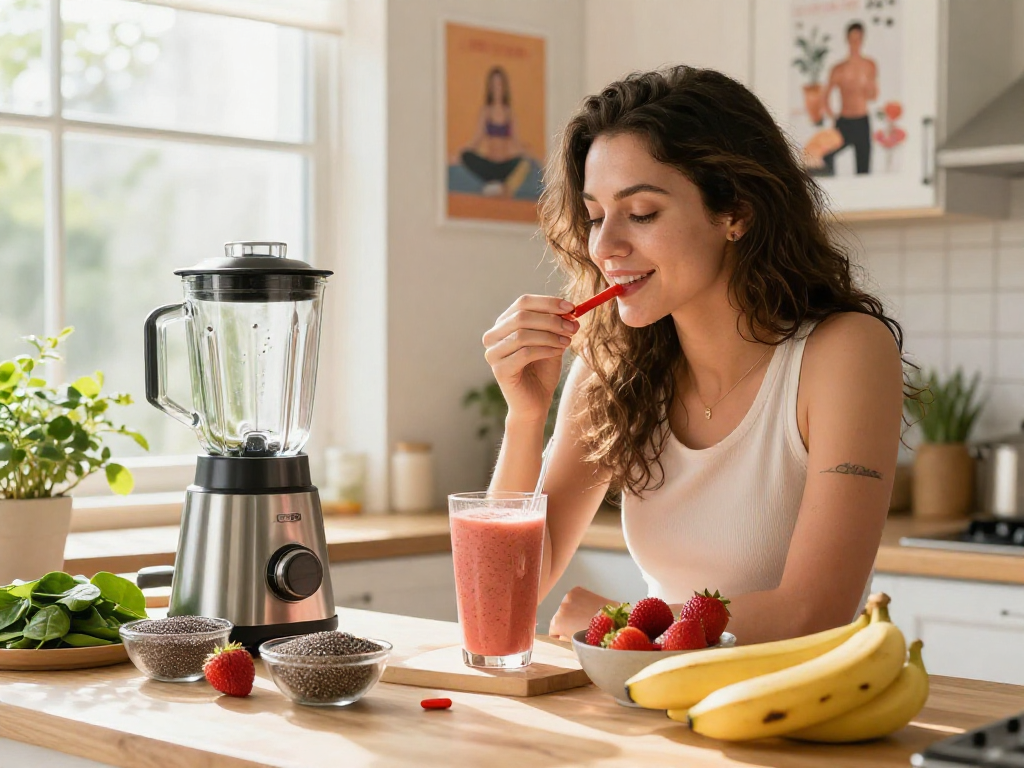
- Smoothies: Add a teaspoon of astaxanthin powder to your favorite smoothie for a nutritional boost.
- Energy Bites: Mix almond butter, oats, and a scoop of astaxanthin powder to create energy-packed snacks.
- Soups and Stews: Stir in a spoonful of astaxanthin into vegetable soups for enhanced nutritional value.
Common Mistakes When Taking Supplements
To get the most out of your vegan astaxanthin supplement, avoid these common mistakes:
- Taking it on an empty stomach, which can reduce absorption.
- Not adhering to recommended dosages, which can lead to reduced effectiveness.
- Ignoring the importance of a balanced diet; supplements should complement, not replace, whole foods.
Real-world Examples of Astaxanthin Success Stories
Case Studies: Health Improvement Stories
A variety of users have reported positive health transformations after incorporating astaxanthin into their routines. For example, one case highlights an athlete who noted significant improvements in recovery times and reduced muscle fatigue during training after taking astaxanthin regularly.
Endorsements from Nutrition Experts
Nutritionists and health professionals increasingly advocate for astaxanthin due to its comprehensive health benefits. Many experts highlight its role in protecting against oxidative stress as a key factor in maintaining overall health.
Consumer Reviews and Testimonials
User reviews often emphasize improved skin health, enhanced energy levels, and overall well-being. Many report that the addition of astaxanthin has become a staple in their health routines.
Future Trends for Vegan Astaxanthin Supplements
Emerging Research and Developments
Research on astaxanthin is continuously evolving, with studies exploring its effects on various health conditions. Ongoing investigations into its role in inflammation and metabolic health are paving the way for potential new applications in dietary supplementation.
Market Predictions for 2026
The demand for vegan supplements, particularly astaxanthin, is projected to grow. As awareness of health benefits increases, manufacturers may focus on innovative formulations that enhance bioavailability and effectiveness.
Sustainability in Astaxanthin Production
With the rising trend towards sustainability, there is an increased focus on eco-friendly practices in astaxanthin production. Cultivating algae in controlled environments minimizes environmental impact and supports sustainable sourcing.
What is the Best Time to Take Astaxanthin?
For optimal results, it’s best to take astaxanthin with meals, especially those that contain healthy fats, to enhance absorption. Some users prefer taking it in the morning to kickstart their day.
Can vegan astaxanthin supplements interact with medications?
As with any supplement, individuals taking prescribed medications should consult their healthcare provider before beginning astaxanthin to discuss any potential interactions, particularly with blood thinners and medications affecting immune function.
What should I look for in a quality supplement?
Look for certifications, proper sourcing, and transparency regarding ingredient origins. Quality assurance through third-party testing can significantly enhance trust in product effectiveness.
Are there any side effects from taking astaxanthin?
Astaxanthin is generally considered safe for most individuals; however, some may experience mild side effects such as stomach upset or changes in skin pigmentation. It's crucial to adhere to recommended dosages.
How does astaxanthin compare to other antioxidants?
Astaxanthin is often regarded as one of the most potent antioxidants available, outperforming others like vitamin C and E in several studies. Its unique molecular structure allows it to tackle free radicals more effectively.
Can astaxanthin help with skin health?
Yes, astaxanthin can significantly benefit skin health by improving elasticity, moisture levels, and reducing signs of aging. Many skincare formulations now include astaxanthin for these properties.