Understanding Sambal Rawit: Origins and Significance
Sambal Rawit, a spicy chili condiment native to Indonesia, is more than just a dip; it is a vibrant element of the country's culinary identity. This fiery paste, made primarily from bird's eye chilies, garlic, and other aromatic ingredients, offers a distinctive blend of heat and flavor that elevates a variety of dishes. With its roots deeply embedded in Indonesian culture, sambal rawit is enjoyed not only for its taste but also for its role in social and cultural gatherings, making it a staple in households and restaurants alike. When exploring options, https://sambalrawitankoko.com provides comprehensive insights into this beloved condiment.
What is Sambal Rawit?
Sambal Rawit is a type of sambal that uses the small, potent bird's eye chili. It is renowned for its intense heat, making it a favorite among spice lovers. Unlike other sambals that may incorporate a variety of ingredients and flavors, sambal rawit focuses on delivering a fiery kick, often paired with a hint of acidity from lime or tamarind. The heat level can vary depending on the preparation and the specific variety of bird's eye chili used.
Historical Context of Sambal in Indonesian Cuisine
The history of sambal in Indonesian cuisine dates back centuries, with roots tracing to the early spice trade. Sambal was developed as a way to enhance flavors and preserve food in the humid tropical climate. Over time, various regions in Indonesia began to create unique sambal recipes, leading to an array of flavors and preparations. Sambal rawit, specifically, emerged as a beloved favorite, often accompanying rice, meats, and vegetables in traditional meals.
Regional Variations of Sambal Rawit
In Indonesia, sambal rawit is not homogenous; various regions have their own distinct takes. For instance, the Acehnese sambal rawit features a higher concentration of chilies and is often blended with other local ingredients. Meanwhile, in Java, sambal rawit is frequently combined with sweet soy sauce, creating a balance between heat and sweetness. Each variation reflects the local palates and culinary traditions, making sambal rawit an integral part of Indonesia's diverse food landscape.
Ingredients for the Perfect Sambal Rawit
Choosing the Right Chilies
The key to a great sambal rawit lies in the chilies. The bird's eye chili, known as cabe rawit, is preferred due to its high heat level and distinctive flavor. When selecting chilies, look for vibrant colors and firmness, as these indicators of freshness will significantly enhance the taste of your sambal.
Essential Aromatics: Garlic and Shallots
Garlic and shallots are essential aromatics that contribute depth and complexity to sambal rawit. Roasting these ingredients can amplify their flavors, adding a smoky richness to the final product. Experimenting with different roasting times can yield unique flavors, allowing for a personalized sambal experience.
Balancing Flavors: Salt, Sugar, and Lime
To create a well-rounded sambal rawit, it is crucial to balance the inherent heat of the chilies with complementary flavors. A pinch of salt enhances the overall taste, while a touch of sugar can counteract the heat. Fresh lime juice adds acidity, brightening the sambal and enhancing its vibrant character. Adjust these elements to suit your taste and the dishes you plan to accompany.
Traditional vs. Modern Preparation Methods
Classic Mortar and Pestle Techniques
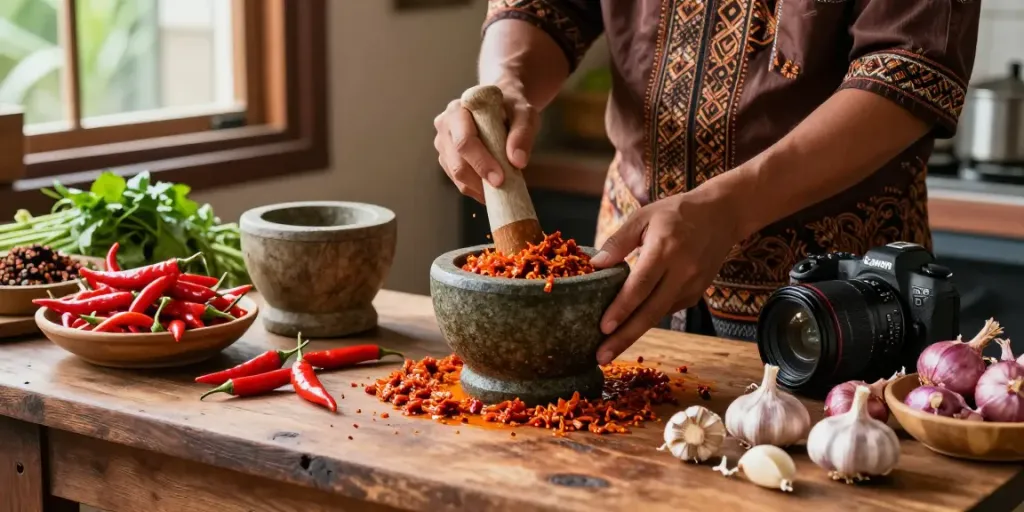
The traditional method of preparing sambal rawit involves using a mortar and pestle, a technique that allows for precise control over texture. This method not only helps to release the essential oils from the ingredients but also creates a more rustic sambal with a delightful texture. Ideally, the chilies and aromatics should be ground together until they form a paste—avoid over-processing to maintain some chunkiness.
Blender and Food Processor Methods
For those short on time, blenders or food processors can speed up the process of making sambal rawit. While this method is quicker, it often results in a smoother paste. To achieve the best flavor, pulse the ingredients just enough to incorporate them without turning them into a completely uniform mixture.
Innovative Twists on Classic Recipes
Modern chefs are beginning to experiment with sambal rawit, introducing new ingredients and techniques. Some incorporate fruits such as mango or pineapple for a sweet contrast, while others might add fermented elements for umami depth. These innovative twists keep sambal rawit relevant in contemporary cuisine, appealing to a broader audience.
Pairing Sambal Rawit with Dishes
Best Dishes to Complement Sambal Rawit
Sambal rawit pairs beautifully with a variety of dishes. Traditional Indonesian favorites include grilled meats, fried tofu, and even seafood. It can also elevate simple meals like fried rice or noodle dishes, adding a layer of complexity and heat. The versatility of sambal rawit allows it to shine in both casual and formal dining settings.
Serving Suggestions for Authentic Experience
For an authentic experience, serve sambal rawit alongside steamed jasmine rice and a selection of grilled meats or vegetables. It can also be drizzled over salads for a spicy kick or used as a dipping sauce for snacks like spring rolls or crispy fried items. Making sambal a shared table condiment encourages communal dining, reflecting its cultural significance.
Creating a Balanced Meal with Sambal
When incorporating sambal rawit into your meals, consider balancing flavors and textures. Pair spicy sambal with creamy elements, such as avocado or yogurt, to temper the heat. Additionally, complement it with acidic items like pickled vegetables or citrus to round out the meal, creating a harmonious dining experience.
Future Trends in Sambal Rawit Consumption
Growing Popularity in International Cuisine
As global culinary landscapes continue to evolve, sambal rawit is making its mark in international cuisine. Chefs worldwide are embracing its bold flavors, incorporating it into fusion dishes and gourmet presentations. This trend reflects a broader appreciation for spicy foods and Indonesian culture in global gastronomy.
Health Benefits and Nutritional Value
In addition to its delicious flavor, sambal rawit offers several health benefits. Made primarily from whole ingredients, sambal can be low in calories and packed with vitamins and antioxidants. The capsaicin found in chilies has been linked to metabolism boosts, pain relief, and even improved cardiovascular health. Including sambal as part of a balanced diet can enhance not only flavor but also overall health.
Innovations in Sambal Products and Recipes for 2026
Looking towards the future, innovations in sambal products are emerging. From ready-to-use sambal in convenient packaging to artisanal versions featuring unique flavor combinations, the market is expanding. In 2026, expect to see more brands focusing on sustainable sourcing and organic ingredients, aligning with growing consumer preferences for health-conscious food choices.
What is the best way to store sambal rawit?
For optimal freshness, sambal rawit should be stored in an airtight container in the refrigerator. It can typically last up to two weeks. For longer storage, consider freezing portions of sambal rawit, which can extend its life for several months without compromising flavor.
What are the health benefits of sambal rawit?
Sambal rawit offers several health benefits, primarily due to its main ingredient, bird's eye chili. The capsaicin in these chilies has anti-inflammatory properties, aids digestion, and may contribute to cardiovascular health. Additionally, sambal rawit is low in calories, making it a flavorful addition to health-conscious diets.
Can sambal rawit be made less spicy?
Yes, sambal rawit can be adjusted to lower its spice levels. This can be achieved by mixing in milder chilies, such as jalapeños or bell peppers. Moreover, balancing the heat with additional sweet and sour elements, like sugar or lime, can create a more palatable version for those sensitive to spice.
What dishes pair well with sambal rawit?
Sambal rawit complements a wide range of dishes, including grilled meats, fried rice, and fresh salads. It can also enhance simple snacks such as crackers or chips, providing a complex flavor profile that excites the palate.
How do I incorporate sambal rawit into my cooking?
Incorporating sambal rawit into your cooking is easy. Use it as a marinade for meats, a flavor booster in soups and stews, or a spicy component in dressings. Experimenting with different recipes will help you discover how sambal rawit can elevate your meals.