Understanding the Treetop Walkway Experience
The allure of the treetop walkway lies in its unique ability to immerse visitors in a world where they can walk among the trees, gaining a fresh perspective on nature from an elevated viewpoint. As the popularity of these walkways grows globally, they offer a blend of adventure, education, and serene beauty. Imagine strolling along a carefully constructed path high above the forest floor, enveloped by the sights and sounds of the woodland. In 2026, these experiences will continue to expand, drawing more nature lovers into the embrace of the treetops.
What is a Treetop Walkway?
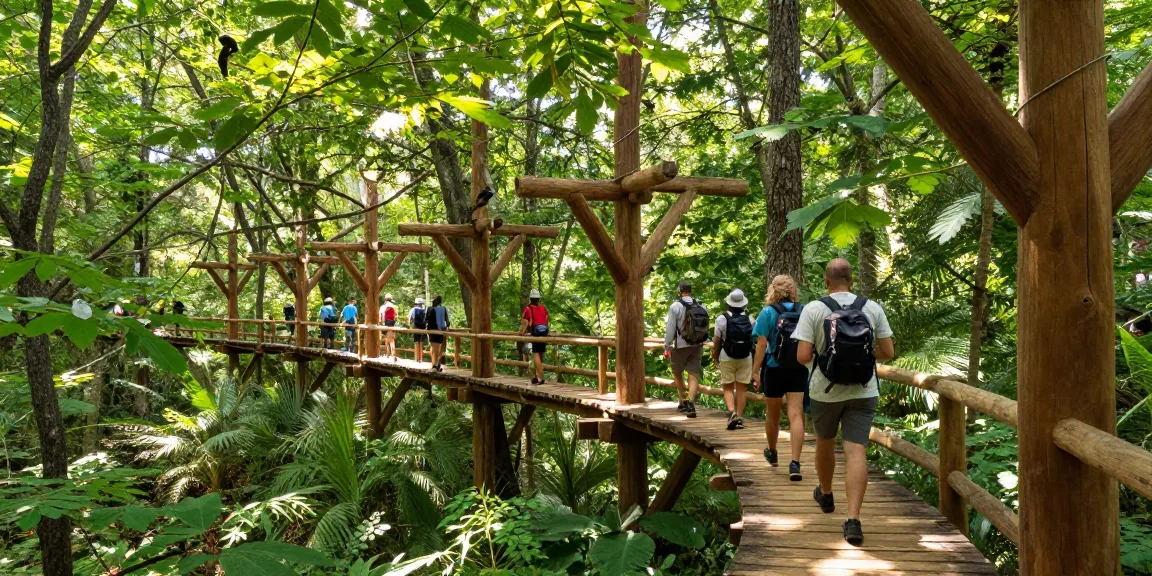
A treetop walkway is an elevated structure that allows visitors to explore the forest canopy. Often designed as a network of pathways or bridges, they provide safe access to an ecosystem that is typically out of reach for most. These walkways can vary in height, spanning from a few metres up to thrilling heights such as 70 feet, and often incorporate scenic views that showcase the natural beauty of the surroundings.
Benefits of Visiting a Treetop Walkway
- Connection with Nature: Walking among the trees enhances the connection to nature, offering a unique view of the habitat.
- Physical Activity: The walkways provide a chance for exercise in an engaging environment, promoting healthy habits.
- Educational Opportunities: Many walkways include signage and interactive exhibits that educate visitors on local flora and fauna.
- Wildlife Viewing: Elevated pathways often provide opportunities to observe wildlife that might typically be missed on the forest floor.
- Stunning Photography: The elevated views create perfect opportunities for capturing breathtaking photographs.
Best Locations for Treetop Walks in 2026
As the demand for eco-tourism rises, several treetop walkways have gained notoriety for their unique experiences and breathtaking vistas. Here are some of the best spots to consider:
- Kew Gardens, UK: Home to an impressive treetop walkway that offers a unique perspective on the historic gardens.
- The Wild Center, New York, USA: Features a unique wild walk that includes a network of bridges leading to stunning Adirondack forest views.
- Forest of Dean, UK: This area boasts an extensive walkway that teems with wildlife and natural beauty.
- Murch Canopy Walk, Holden Arboretum, USA: An elevated walkway rising 65 feet above the ground, providing a breathtaking forest experience.
- Australia's Treetops Walk, Walpole Wilderness Area: Offers a spiralling path through the ancient tingle forests, allowing for immersive nature experiences.
Planning Your Visit to a Treetop Walkway
Essential Preparations Before You Go
Planning ahead is crucial for making the most of your treetop adventure. Factors such as opening hours, ticket availability, and weather conditions can influence your visit. It’s advisable to check the official website for any updates or changes before you head out. When exploring options, Treetop Walkway provides comprehensive insights into visiting various locations.
What to Bring for a Treetop Adventure
- Comfortable Footwear: Sturdy shoes are essential for a safe walking experience.
- Water Bottles: Staying hydrated is important, especially if you're visiting in warmer weather.
- Camera: To capture the stunning views and wildlife encounters.
- Binoculars: For a closer look at distant wildlife and plant life.
- Sunscreen and Hats: Protect yourself from sun exposure, particularly on sunny days.
Best Times of Year to Visit
The ideal time to visit a treetop walkway largely depends on your preferences. Spring and autumn usually offer mild weather and beautiful foliage, making them popular choices. Summer can be vibrant but may attract larger crowds, whereas winter can provide a peaceful experience, though some walkways might close due to safety concerns. Always check local conditions and walkway availability before planning your visit.
Navigating Safety on a Treetop Walkway
Understanding Safety Guidelines and Regulations
Before embarking on your treetop adventure, it's vital to understand and adhere to safety guidelines. Each walkway will have specific rules regarding the number of visitors allowed at one time and the types of activities permitted. Always listen to staff instructions, and ensure that children are supervised at all times.
What to Expect During Your Walk
During your walk, expect a gentle sway underfoot as the walkway flexes with your movement. Most paths will include safety railings and may provide information boards that enhance your understanding of the ecosystem. Walking at a leisurely pace allows you to fully absorb the surroundings.
Handling Common Obstacles and Challenges
While walking pathways are designed for safety, it is possible to encounter challenges such as sudden weather changes or areas that may be under maintenance. Always be prepared and consider having a flexible plan to adjust your route or timing as necessary.
Enhancing Your Treetop Experience
Photography Tips for Capturing Stunning Views
To make the most of your photography on a treetop walkway, consider the following tips:
- Golden Hour: Aim to take photos during the early morning or late afternoon when the lighting is soft and warm.
- Wide-Angle Shots: Incorporate the landscape into your shots to showcase the grandeur of the surroundings.
- Wildlife Photography: Patience is key. Be quiet and still to capture shots of wildlife without disturbing them.
Wildlife Spotting: What You Might See
As you traverse a treetop walkway, keep your eyes peeled for various wildlife species. Depending on the region, you might spot birds, squirrels, insects, and even larger mammals from a distance. Each walkway offers a unique chance to observe creatures in their natural habitat.
Combining Your Walk with Other Activities
Consider combining your treetop walk with nearby attractions or activities. Many walkways are located near nature reserves, parks, or educational centres that offer additional experiences, such as guided nature walks, workshops, or family activities. Explore the area surrounding your chosen walkway for a more enriching day out.
Future of Treetop Walkways and Eco-Tourism
Emerging Trends in Eco-Friendly Walkways
As we look towards the future, especially in 2026 and beyond, eco-friendly designs will continue to shape the development of treetop walkways. Integrating sustainable materials and practices not only enhances the visitor experience but also supports conservation efforts.
The Impact of Climate Change on Forest Canopies
Climate change poses significant risks to forest ecosystems, including treetop jungles. Understanding these impacts will be vital for ensuring the sustainability of walkways and their surrounding environments. Awareness campaigns and educational programs will be crucial in preparing visitors to respect and protect these habitats.
Innovations for Treetop Walkways in 2026 and Beyond
Looking ahead, advancements in technology might also enhance the treetop walking experience. From augmented reality informative displays to eco-sustainable architecture, the future of treetop walkways promises innovative approaches that engage visitors while fostering a deeper appreciation for nature.
What are the Key Features of a Treetop Walkway?
Key features of a well-designed treetop walkway typically include:
- Safe and Sturdy Construction: Ensuring structural integrity to withstand weather and foot traffic.
- Educational Signage: Informative displays about local wildlife and plant life enhance the visitor experience.
- Accessibility: Facilities that cater to visitors of all ages and mobility levels are essential.
- Environmental Integration: Walkways that blend seamlessly with their natural surroundings promote conservation awareness.
Where Can You Find the Best Treetop Walkways?
While various treetop walkways exist across the globe, some of the best are located in the United Kingdom, the United States, Australia, and Southeast Asia. When searching for the perfect venue, consider your proximity to these locations and the specific experiences they offer.
How Long is the Average Treetop Walkway?
The length of a treetop walkway can vary widely, typically ranging from a modest 150 metres up to several hundred metres. Each walkway is designed to cater to different levels of experience and offers varying lengths to suit all visitors.