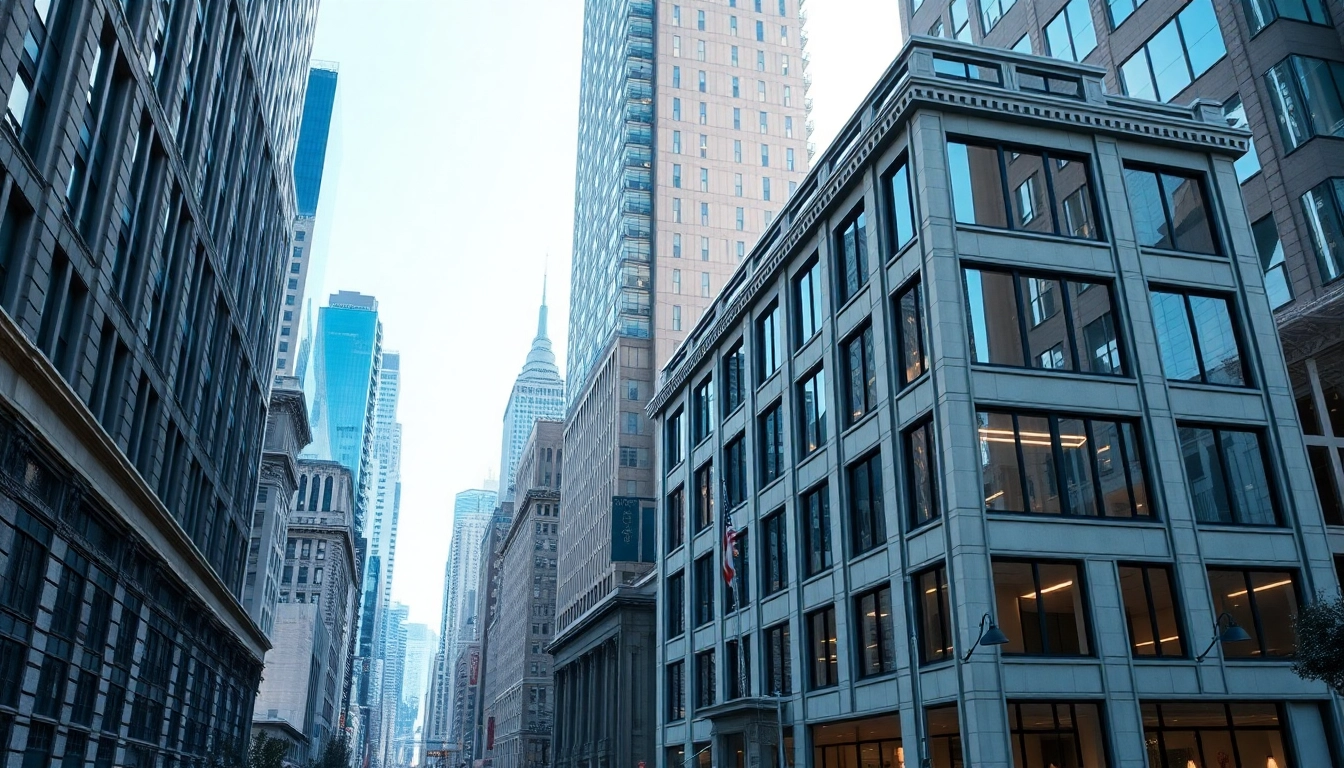
Understanding the Role of a New York Commercial General Contractor
The landscape of commercial construction in New York is intricate and demanding, necessitating expert guidance at every stage of a project. This is where the role of a New York Commercial General Contractor becomes pivotal. Their expertise not only bridges the gap between architectural vision and reality but ensures that projects adhere to local regulations, timelines, and budgets.
What Does a Commercial General Contractor Do?
A commercial general contractor (CGC) orchestrates the entire construction process, managing various aspects from project initiation to completion. They serve as the primary point of contact, overseeing subcontractors, suppliers, and the construction team. Key responsibilities include:
- Project Planning: Developing a detailed project timeline and budget.
- Team Coordination: Hiring and supervising subcontractors and laborers.
- Compliance Oversight: Ensuring adherence to building codes and zoning laws.
- Quality Control: Implementing measures to maintain construction standards and timelines.
- Client Liaison: Communicating regularly with stakeholders, updating them on progress and issues.
Key Benefits of Hiring a General Contractor
Engaging the services of a commercial general contractor presents several advantages, particularly in a complex market like New York:
- Expert Knowledge: CGCs possess valuable insights into the latest industry practices, regulations, and local nuances, enhancing project efficiency.
- Time Savings: With their experience, CGCs can foresee potential delays and proactively manage timelines to keep projects on track.
- Risk Mitigation: General contractors are adept at identifying and addressing risks, thereby preventing costly mistakes and delays.
- Cost Efficiency: Their industry connections often lead to better pricing on materials and services, helping keep project costs within budget.
- Accountability: Hiring a CGC centralizes responsibility, simplifying communication and project management for all parties involved.
Legal and Licensing Requirements in New York
Understanding the legal framework surrounding commercial contracting is crucial. In New York, contractors must meet specific licensing requirements which may vary by borough. Generally, a general contractor should:
- Obtain a New York State Department of State license or city-specific license.
- Show proof of liability and worker’s compensation insurance.
- Register with the appropriate city or county authorities.
- Adhere to OSHA regulations and safety standards to protect their workers and the public.
Compliance with these regulations not only protects the contractor but also ensures the safety and legality of the project undertaken.
Choosing the Right New York Commercial General Contractor
Selecting an appropriate general contractor is paramount for the success of a commercial construction project. Several factors should influence your decision-making process.
Evaluating Experience and Expertise
When choosing a commercial general contractor in New York, assessing their experience and expertise is vital. Consider the following:
- Project Portfolio: Review their previous projects for quality and relevance to your needs.
- Specialization: Ensure they have experience specific to your type of construction project, whether it’s retail, office, or industrial.
- Client Testimonials: Seek feedback from past clients about their experience, reliability, and finished work quality.
Questions to Ask Potential Contractors
Having a clear line of questioning can help you gauge a contractor's suitability. Important questions may include:
- What is your estimated timeline for project completion?
- Can you provide references from previous clients?
- What measures do you take to ensure quality control?
- How do you handle unforeseen delays or changes in project scope?
- What is your payment structure and policy regarding changes in project costs?
This dialogue will provide crucial insights into the contractor's approach and compatibility with your project demands.
Understanding Cost Structures and Estimates
Cost transparency is essential in any construction endeavor. A reputable contractor should provide a detailed estimate that includes:
- Labor Costs: Clear breakdown of hourly rates and total labor expenses.
- Material Costs: Itemized listing of required materials and associated costs.
- Contingency Plans: A designated percentage of the total budget reserved to cover unexpected changes or issues.
- Payment Terms: Clearly outlined stages of payment throughout the project duration.
Evaluating these elements can help ensure that you’re getting a fair deal without hidden costs.
Top Services Offered by New York Commercial General Contractors
A New York commercial general contractor offers a wide array of services tailored to meet diverse project needs. Understanding these services can help you determine what you require for your project.
Project Management and Oversight
At the core of a contractor's role is project management. This encompasses:
- Coordinating schedules, ensuring that all subcontractors and suppliers meet their deliverables.
- Regular site inspections to ensure that work is proceeding according to plans and safety standards.
- Maintaining clear lines of communication between all stakeholders.
Effective project management can significantly reduce downtime and keep the project flowing smoothly.
Custom Design and Build Solutions
Some commercial general contractors also offer design and build solutions. This integrative approach can simplify the construction process by:
- Ensuring that design decisions align with construction practices, reducing costly revisions.
- Facilitating enhanced communication between the design and construction teams.
- Providing clients with innovative solutions that blend aesthetics with functionality.
This method can beneficially impact timelines and budgets, yielding a cohesive result.
Renovation and Remodeling Services
Renovation often requires a unique set of skills and expertise, particularly in urban settings like New York. General contractors can assist with:
- Assessing the existing structure and determining feasibility for remodeling.
- Customizing spaces to reflect modern design principles while complying with local regulations.
- Managing logistics around existing tenants or businesses to minimize disruption during construction phases.
Their experience can transform older buildings into functional, attractive spaces without compromising integrity.
How to Ensure Quality Work from Your Contractor
Establishing a successful partnership with your contractor is key to ensuring the quality of work. Here are strategies to secure high standards throughout the process.
Setting Clear Expectations and Goals
At the onset of the project, it is essential to establish precise expectations. This can be accomplished by:
- Creating a detailed scope of work that articulates what is required at each stage.
- Defining the quality benchmarks that the contractor must meet.
- Determining the frequency of updates and meetings throughout the construction process.
Clearly delineating these aspects can significantly reduce misunderstandings and keep the project aligned with your vision.
The Importance of Regular Communication
Regular communication is key to ensuring smooth project execution. Establishing a routine for:
- Weekly progress meetings to discuss milestones and challenges.
- Promptly addressing concerns or changes to keep the project on track.
- Involving key stakeholders in communications to ensure that everyone is updated and aligned.
Consistent dialogue fosters trust and enables better problem-solving.
Monitoring Progress and Quality Assurance
Implementing a system for monitoring progress is vital. Consider the following:
- Routine site visits to observe work quality firsthand.
- Requesting progress reports that track milestones and overall expenditures against the budget.
- Utilizing third-party inspections to ensure adherence to quality and safety standards.
These measures help identify issues early, allowing for corrections before they escalate into significant problems.
Future Trends in Commercial Construction in New York
As the landscape of commercial construction evolves, several trends are shaping the future of how projects will be executed in New York.
Adoption of Sustainable Practices
Sustainability has emerged as a critical component of the construction process. Contractors are increasingly focusing on:
- Using eco-friendly materials that reduce the carbon footprint of construction.
- Implementing energy-efficient systems in new builds.
- Offering renovation options that enhance the sustainability of existing structures.
Such approaches not only align with city regulations but also appeal to environmentally conscious businesses and consumers.
Emerging Technologies in Construction
Technology is reshaping every aspect of commercial construction, with advancements like:
- Building Information Modeling (BIM) for enhanced planning and visualization.
- Virtual Reality (VR) to provide clients with immersive experiences of their projects before completion.
- Automation and robotics in onsite construction processes to increase efficiency and safety.
These technologies provide greater accuracy, improve design flexibility, and yield better project outcomes.
Changing Demands in Commercial Spaces
The demand for adaptable commercial spaces is on the rise, driven by shifts in work culture and consumer behavior. Contractors are responding by:
- Designing flexible workspaces that accommodate a variety of business models.
- Creating multi-functional environments that cater to changing demographic needs.
- Incorporating advanced technology to enhance user experience in commercial facilities.
This responsiveness to market changes positions contractors as essential partners in developing future-proof commercial spaces.