
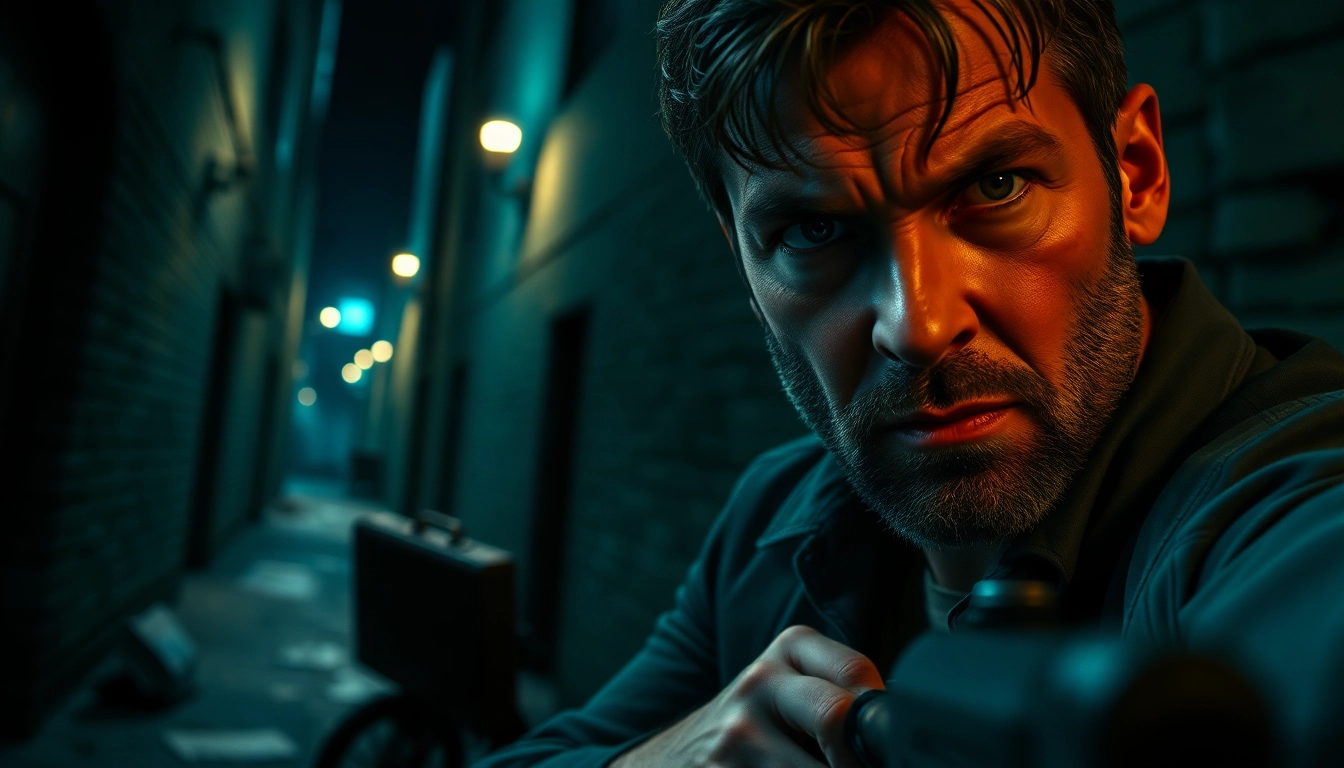
Exploring Alternatives to Better than Reacher
In the world of thrilling literature and captivating television, Jack Reacher has emerged as a modern icon. However, for many fans seeking something fresh or different, exploring alternatives can lead to exciting discoveries. As we delve into the realm of action heroes and riveting narratives, the quest for characters deemed Better than Reacher unfolds. Through this article, we will highlight intriguing characters, engaging storylines, and elaborate on the themes of justice and morality that permeate these alternatives.
Identifying Popular Action Heroes
Action heroes come in various forms, each with unique characteristics that draw readers and viewers. Understanding these personas allows us to appreciate why some resonate more than others. For instance, characters like Mark Dawson’s John Milton carry a depth that many fans find compelling. Milton is not just a killer; he has a past filled with complex moral dilemmas that set him apart. In contrast to Reacher’s lone-wolf ethos, Milton often weighs the implications of his choices, making him relatable to readers who appreciate shades of gray in their protagonists.
Another great example is Robert Crais’s Elvis Cole, a private investigator whose unique blend of humor, intelligence, and grit invites readers into his world. His relationships and interactions with characters, particularly his partner Joe Pike, add layers to his personality that extend beyond typical action hero tropes. This development of character becomes pivotal in revealing different approaches to justice, ultimately providing a refreshing alternative to Jack Reacher’s straightforward heroism.
Highlighting Intriguing Storylines
Storylines play a crucial role in determining reader engagement. Thrillers that incorporate sophisticated plots often enrich the reader’s experience. One such storyline can be found in Gillian Flynn’s “Gone Girl,” where the tension between characters captures audiences in ways that traditional heroics cannot. The plot twist keeps readers on edge, allowing them to become more invested than in conventional action narratives. Meanwhile, novels like “The Girl with the Dragon Tattoo” by Stieg Larsson push the boundaries by intertwining mystery, addiction, and complex interpersonal relationships, creating a multifaceted narrative landscape.
Delving deeper, character-driven stories explored in Harlan Coben’s “Myron Bolitar” series highlight personal relationships and evolving identities influenced by past traumas, thereby broadening the appeal for readers searching for thematic richness. Each installment is infused with wit and moral ambiguity, drawing parallels to the societal dilemmas faced in our world today.
Diving into Themes of Justice and Morality
Justice and morality serve as central themes in many narratives, often becoming the complex web through which characters navigate their worlds. In novels like “The Lincoln Lawyer” by Michael Connelly, readers are presented with a morally ambiguous protagonist who operates in a legal gray zone—a stark shift from Reacher’s unyielding sense of justice. This nuanced depiction encourages a richer discourse about what it means to seek justice in an imperfect society. Similarly, characters within Tess Gerritsen’s medical thrillers often confront ethical dilemmas that force them to reconcile their personal beliefs with professional mandates.
Through these explorations, fans seeking stories that echo the action of Reacher while challenging their perspectives on morality will find a wealth of engaging content.
Comparative Analysis: Better than Reacher
Defining Key Characteristics
To determine which protagonists might rival Jack Reacher for the title of ‘better’, we can analyze key characteristics shared among standout action heroes. These traits often include wit, intelligence, resilience, and the ability to navigate complex situations. Characters like Lee Child’s Reacher epitomize strength and combat prowess, yet the addition of psychological depth or a well-crafted backstory can create a more enriching experience.
Take, for instance, Parker’s Spenser from the eponymous book series. Known for his intelligence and quick-witted banter, Spenser balances action with strategic thinking, allowing readers to engage with him on multiple levels. As an ex-cop turned private investigator, his character growth is evident throughout the series, emphasizing the importance of intellect alongside physicality.
Evaluating Popular Choices Among Fans
When fans search for alternatives to Reacher, many turn to authors like Robert Ludlum and his Bourne series. These novels delve deep into the psyche of an assassin plagued by identity crises and moral conflicts, adding a layer of complexity that appeals to readers yearning for more than just action. The heady mix of espionage, intrigue, and rich character development captivates audiences and often results in intense emotional investment.
Additionally, Brad Thor’s Scot Harvath series remains a popular choice. Harvath is characterized by his versatility as a field operative, making decisions oftentimes fraught with moral ambiguities that elevate the series beyond mere physical confrontations. The levels of transparency and realism in the plots draw fans who appreciate a grounded take on the consequences of action.
Understanding the Appeal of Alternative Characters
The appeal of alternative characters lies in their ability to reflect the complexities of human nature. Many action heroes wrestle with internal conflicts that mirror real-world issues, enabling readers to sympathize and connect emotionally. Mark Greaney’s Gray Man series illustrates this notion perfectly. Protagonist Court Gentry’s journey is fraught with instances of betrayal, loyalty, and the quest for redemption, resonating with readers who value character depth and growth.
Moreover, characters like Tana French’s Dublin Murder Squad protagonists often navigate intricate psychological landscapes, examining the interplay of crime and consequence through a literary lens. Readers looking for depth in storytelling might find these rich narratives thought-provoking, thus establishing a compelling case for alternatives to Reacher.
Diversified Genres: Expanding Beyond Action
Delving into Mystery and Suspense Thrillers
The appeal of mystery and suspense thrillers lies in their gripping plots and tension-filled storytelling. To many, these genres encapsulate the essence of thrill-seeking adventures while providing exciting alternatives to action-heavy narratives. Agatha Christie’s Hercule Poirot well illustrates how a detective story can evoke thrills without relying solely on physical confrontations. The clever twists and intricate puzzles keep readers engaged and on their toes, offering a wild ride without the direct action often associated with characters like Reacher.
Through authors like Gillian Flynn and Tana French, readers can explore narratives that encapsulate the essence of psychological thrillers, as they tantalize while delving into the darker aspects of human nature. These stories showcase conflict not only between characters but also within themselves, thus transcending traditional genre expectations.
Exploring Character-Driven Dramas
Character-driven dramas present a nurturing ground for profound storytelling. These narratives focus heavily on character development and interpersonal dynamics. “Breaking Bad,” for instance, chronicles the transformation of Walter White from a mild-mannered teacher into a ruthless drug lord, exploring themes of ambition, morality, and familial loyalty. Where action is minimal, tension is built through the character’s evolving psyche and complex relationships, offering a stark contrast to the action-oriented proclivities of Reacher’s narrative style.
Additionally, “The Shield” presents raw, gritty storytelling centered around law enforcement and moral ambiguity. The depth of character analysis fosters engagement and complicates interpretations of heroism, further illustrating that action is not the only path to thrilling storytelling.
Cross-Genre Insights for Enthusiasts
The best stories often transcend genre boundaries. For readers seeking more beyond action, cross-genre novels offer a unique blend that can amplify thematic depth while still delivering a satisfying narrative. “The Silent Patient” by Alex Michaelides, a psychological thriller that morphs into a gripping mystery, demonstrates how blending elements can intrigue audiences looking for narratives akin to the Reacher experience but with added dimensions.
Similarly, C.J. Box’s Joe Pickett series combines elements of mystery, crime, and regional detail, weaving intricate plots that captivate readers dedicated to those settings. By examining diverse genres, fans can discover nuanced characters and storylines that fulfill their thirst for adventure and excitement while resonating on multiple thematic levels.
Books and Shows: Recommendations Better than Reacher
Highlighting Engaging Book Series
Finding engaging book series that offer alternatives to Reacher’s thrilling escapades can be an exciting endeavor. For readers seeking character depth alongside action, Mark Dawson’s “John Milton” series emerges as a perfect contender. Milton’s characteristics provide a mix of action and moral complexity, appealing to those who enjoy pondering the ethical implications of their heroes’ actions. The juxtaposition within character arcs adds an enriching layer for readers.
Additionally, fans may enjoy Greg Iles’s Penn Cage series, drawing readers into a complex narrative filled with crime, history, and personal tribulation. The exploration of various themes resonates with adult audiences seeking depth beyond straight action narratives. Iles creates intricate storylines where character decisions reverberate throughout their lives, much like the moral reflections seen in similar genre leaders.
Spotlighting Unmissable TV Shows
Television has become a fertile ground for character-driven narratives, particularly in the action and thriller genres. Shows like “Bosch,” based on Michael Connelly’s novels, deliver a riveting experience revolving around LAPD detective Harry Bosch as he navigates the complexities of legal and moral dilemmas while maintaining his quest for justice. The series’ emphasis on character development, combined with suspenseful plots, places it on par with the narratives of Reacher.
Another standout is “True Detective,” encapsulating various themes such as crime, morality, and psychological dissertations within its anthology format. Each season invites fans to experience new characters and evolving storylines, compellingly showcasing the depth and variety of thrilling narratives available in today’s television landscape.
Assessing New Releases in the Genre
The literary and screen landscapes continue to witness a plethora of new releases catering to fans of thrilling narratives. Works like “The Last House on Needless Street” by Catriona Ward blend suspense with psychological horror, offering readers an innovative perspective. Its complex characters and narrative twists encourage deep engagement and discussion, marking it as a notable addition to the genre.
In addition, shows such as “The Night Agent” extend opportunities for audiences to delve into complex narratives focused on political intrigue and action. As viewers tune in, they can observe how the factors evolve our understanding of these characters and narratives, demonstrating the versatility of plotlines available to modern audiences, and positioning them as worthwhile alternatives to Reacher.
Understanding Reader and Viewer Preferences
Surveying Audience Recommendations
Understanding reader and viewer preferences can guide recommendations effectively. Surveys and discussions across book clubs and online platforms reveal that audiences often gravitate towards characters with relatable struggles, complex personalities, and engaging arcs. Participation in such surveys can provide valuable insights into character relevance, showcasing what continues to captivate modern readers.
Analyzing What Makes a Story Engaging
Identifying the elements that make a story engaging is essential for enhancing readers’ and viewers’ experiences. Effective pacing, character depth, and well-crafted dialogue are foundational pillars of captivating narratives. Moreover, incorporating emotional stakes and relatable conflicts heightens immersion, enabling audiences to connect profoundly with the story. By studying various narratives, storytellers can grasp how these elements interlace to capture the audience’s attention and maintain engagement.
Future Trends in Action and Thriller Narratives
The future of action and thriller narratives lies in the hands of evolving storytelling techniques and reader desires. Increased representation, exploration of moral complexities, and character-driven narratives promise a rich terrain for new storylines. As audiences demand narratives that reflect contemporary society, expect to see a gradual shift towards tales blending action with authenticity and cultural relevance. The appeal of characters who embody these elements speaks volumes, ensuring that the quest for alternatives to Reacher will only grow richer in the future.


