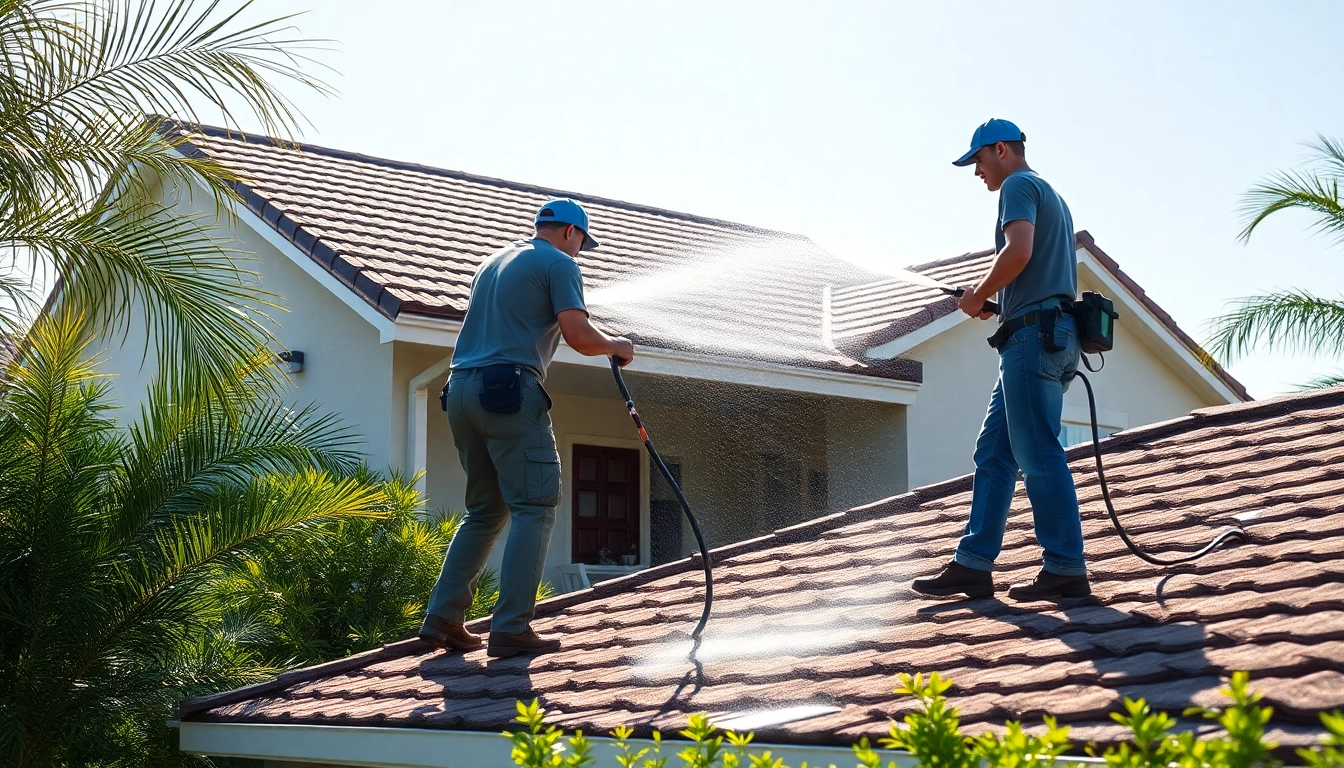
In the domain of home maintenance, few aspects are as crucial as the roof over our heads. A sturdy, well-maintained roof not only protects our homes from the elements but also enhances their aesthetic appeal and market value. When seeking to maintain or upgrade your home’s protection, exploring Professional roofing services can significantly improve the longevity and efficiency of your roof. This comprehensive guide will delve into the different facets of professional roofing services, guiding you toward making informed decisions for your roofing needs.
Understanding Professional Roofing Services
What Are Professional Roofing Services?
Professional roofing services encompass a wide array of offerings tailored to meet the specific needs of residential and commercial properties alike. These services are delivered by qualified contractors with the expertise to assess, repair, maintain, or install various roofing systems. The primary objective of professional roofing services is to ensure the structural integrity and lifespan of the roof while complying with local building codes and regulations.
Types of Roofing Services Offered
Professional roofing services can be categorized into several key areas:
- Roof Installation: This includes the complete installation of new roofs using various materials such as asphalt shingles, metal, tiles, and more. Each material offers distinct advantages in terms of durability, cost, and aesthetics.
- Roof Repair: Regular wear and tear, storm damage, or leaks necessitate professional roof repair services. Skilled contractors assess the damage and provide repairs that restore the roof’s integrity.
- Roof Maintenance: Routine maintenance entails inspections, cleaning, and minor repair services aimed at prolonging the roof’s life and preventing larger issues.
- Roof Replacement: When a roof is beyond repair, a full replacement is often the best option. This involves removing the old roofing material and installing a new roofing system.
- Roof Inspections: Regular inspections are essential for identifying potential issues before they escalate into significant problems. Professionals conduct thorough assessments and provide detailed reports.
- Emergency Repairs: When unexpected events cause damage, emergency roofing services address urgent issues promptly to prevent further property damage.
Benefits of Choosing Professional Roofing Services
Opting for professional roofing services comes with several advantages:
- Expertise and Experience: Professionals bring a wealth of knowledge, ensuring that the job is done right the first time, reducing the risk of costly mistakes.
- Quality Materials: Professional contractors have access to high-quality materials that may not be available to the public, resulting in a more durable roof.
- Safety: Roofing work can be hazardous. Professionals are trained to adhere to safety protocols, minimizing the risk of accidents.
- Warranty Coverage: Many professional services offer warranties on both materials and labor, providing peace of mind to property owners.
- Time Efficiency: Professionals can complete roofing projects more quickly and efficiently than inexperienced individuals, reducing disruption to your daily life.
Choosing the Right Roofing Material
Overview of Popular Roofing Materials
Selecting the right roofing material is crucial for the overall performance and aesthetic of your roof. Here are some of the most popular roofing materials:
- Asphalt Shingles: Budget-friendly, easy to install, and available in various colors and styles, asphalt shingles are among the most commonly used roofing materials.
- Metal Roofing: Known for its longevity and energy efficiency, metal roofing can withstand severe weather and is available in several styles, including panels and shingles.
- Clay and Concrete Tiles: Offering an elegant appearance, tiles are incredibly durable and energy-efficient, but they can be heavier and more expensive than other materials.
- Slate Roofing: Exceptional in lifespan and aesthetics, slate roofs are intricate and elegant but may require specialized installation due to their weight and cost.
- Wood Shingles and Shakes: Providing a natural look, wood roofing offers excellent insulation but requires more maintenance to prevent rot and pests.
Factors to Consider When Selecting Roofing Material
When determining the best roofing material for your home, consider the following factors:
- Climate: The local climate significantly affects the longevity and performance of roofing materials. In areas with heavy rain or snow, materials like metal or tiles may be preferable.
- Budget: Analyze both the initial costs and long-term expenses associated with maintenance and energy efficiency to determine your budget.
- Weight: Ensure that your home can support the weight of the chosen material, especially with heavier options like tiles and slate.
- Appearance: Consider how the material complements your home’s architectural style and enhances its curb appeal.
- Durability: Assess how well each material can withstand environmental factors, such as UV rays, wind, and hail.
- Life Span: The life expectancy of the material affects long-term maintenance costs. Investing in a more durable option can often save money over time.
Comparing Costs vs. Durability for Roofing Options
Cost is a critical factor when selecting roofing materials, but it should be weighed against the durability and lifespan of each option:
- Asphalt Shingles: Cost-effective initially, these shingles last around 15-30 years. Proper maintenance can extend their life but may require periodic replacements.
- Metal Roofing: Higher upfront costs (approximately $100-$300 per square) are balanced by longevity, as metal roofs can last 40-70 years, making them a wise long-term investment.
- Clay and Concrete Tiles: Though expensive (up to $300 per square), they can last over 50 years and are highly durable against harsh weather conditions.
- Slate Roofing: The priciest option (up to $600 per square), slate roofs can exceed 100 years in lifespan, which may justify the investment for many homeowners.
- Wood Shingles: Typically costing $200-$300 per square, wooden roofs may require replacement every 20 years, potentially increasing long-term expenses.
Importance of Maintenance in Roofing Services
Routine Maintenance Practices for Roofs
Regular maintenance is vital for prolonging the life of your roof and preventing costly repairs. Here are common practices that homeowners should adopt:
- Regular Inspections: Schedule annual inspections to identify potential problems before they worsen.
- Gutter Cleaning: Ensure gutters are clear of debris to promote proper drainage and prevent water damage.
- Removing Debris: Regularly remove leaves, branches, and other debris from the roof surface to avoid mold and deterioration.
- Check Flashing: Inspect flashing around chimneys, vents, and skylights to ensure no leaks develop.
- Trim Overhanging Trees: Cut back branches that may scrape the roof or fall during storms, preventing physical damage.
Signs Your Roof Needs Professional Attention
Being aware of signs that your roof may require professional help can save you from larger expenses down the line:
- Leaking: Any signs of water stains inside your home or wet spots on the roof should be addressed immediately.
- Missing or Damaged Shingles: Missing pieces or curled, cracked shingles signal that repair or replacement might be necessary.
- Moss or Mold Growth: Growth on shingles can trap moisture, causing damage that requires professional intervention.
- Age: If your roof is reaching the end of its expected lifespan (15-50 years depending on material), it’s time to consider an inspection.
- Granules in Gutters: Large amounts of granules collected in gutters indicate shingle wear and potential replacement needs.
Benefits of Regular Roof Inspections
Investing in regular roof inspections can lead to numerous advantages, including:
- Early Detection: Identifying issues early reduces the risk of more severe damage and higher repair costs.
- Informed Maintenance Decisions: Professional assessments provide insights into when maintenance tasks should be performed.
- Value Preservation: Maintaining the roof’s condition preserves your home’s value, preventing devaluation due to neglect.
- Insurance Benefits: Regular inspections may positively influence insurance claims by proving proactive maintenance efforts.
Hiring the Right Professionals for Roofing Services
Qualities to Look for in a Roofing Contractor
Finding the right contractor is essential for the successful completion of any roofing project. Here are key qualities to look for:
- Experience: Choose a contractor with a proven track record and years of experience in the roofing industry.
- Licensing and Insurance: Ensure the contractor is licensed in your state and carries adequate insurance to protect you from liability.
- Reputation: Research reviews and testimonials to find a contractor with a solid reputation for quality work and customer service.
- Transparency: A good contractor will provide clear estimates and be transparent about their processes and any potential issues.
- Warranties: Ensure the contractor offers warranties on both materials and workmanship to safeguard your investment.
Questions to Ask Before Hiring
Before committing to a roofing contractor, consider asking these critical questions:
- Can you provide references? Checking references helps verify the contractor’s quality of work and service.
- What is your estimated timeline for project completion? Understanding the timeline aligns expectations.
- Do you have any certifications? Certifications from roofing manufacturers or associations can indicate specialized knowledge and skills.
- How do you handle unexpected problems? A clear plan for unforeseen issues displays professionalism and transparency.
- What payment options do you offer? Understanding the financial aspects helps prevent surprises later.
Understanding Estimates and Contracts
Before commencing any roofing project, it’s crucial to understand the estimates and contracts put forth by the contractor:
- Detailed Estimates: A thorough estimate should itemize each aspect of the project, including materials, labor, and any additional fees.
- Project Scope: Ensure the contract clearly defines the scope of work and any specific materials or methods to be utilized.
- Payment Schedule: The agreement should specify payment terms, including any down payment, progress payments, and final settlement.
- Change Orders: Review the process for handling changes to the original plans, including how these will affect costs and timelines.
- Warranty Details: Ensure the contract includes specifics on warranties for both labor and materials.
Future Trends in Professional Roofing Services
Innovations in Roofing Technology
As technology advances, the roofing industry continues to evolve, incorporating innovative materials and techniques. Notable trends include:
- Cool Roofing: Designed to reflect more sunlight and absorb less heat, cool roofing materials enhance energy efficiency.
- Integrated Solar Panels: Solar shingles present a dual-function option, providing roofing while generating renewable energy.
- Advanced Weatherproofing: New materials offer enhanced weather resistance, significantly improving durability and lifespan.
- Smart Roofing: Technologies embedded in roofing can monitor temperature, moisture, and leaks, aiding in proactive maintenance.
Sustainable Roofing Solutions
With growing concerns about sustainability, roofing options are moving toward environmentally friendly materials and practices:
- Recycled Materials: Many manufacturers now produce roofing materials from recycled plastics, metals, and rubber, reducing waste.
- Green Roofs: Living roofs for urban environments promote sustainable practices by enhancing insulation and absorbing rainwater.
- Energy-Efficient Materials: Roofing products designed for increased energy efficiency help reduce energy consumption in homes.
- Sustainability Certifications: Many roofing products certified by environmental organizations confirm their eco-friendly attributes.
The Growing Demand for Energy-Efficient Roofing
As energy costs rise, homeowners increasingly seek roofing solutions that provide energy efficiency and cost savings. The demand for energy-efficient roofing materials continues to soar due to:
- Lower Utility Bills: Energy-efficient roofs help maintain temperature, reducing the burden on heating and cooling systems.
- Tax Incentives: Homeowners installing energy-efficient roofs may qualify for tax benefits or rebates, enhancing the appeal of these options.
- Increased Property Value: Energy-efficient features can boost home resale value, making homes more attractive to potential buyers.
- Environmental Impact: Homeowners are becoming more environmentally conscious, seeking solutions that reduce energy consumption and carbon footprints.
Ultimately, understanding the scope and benefits of Professional roofing services can empower you as a homeowner to make informed decisions that protect your investment while enhancing your living environment. By staying informed on materials, trends, and hiring practices, you can ensure that your roof remains a robust barrier against environmental challenges for many years to come.