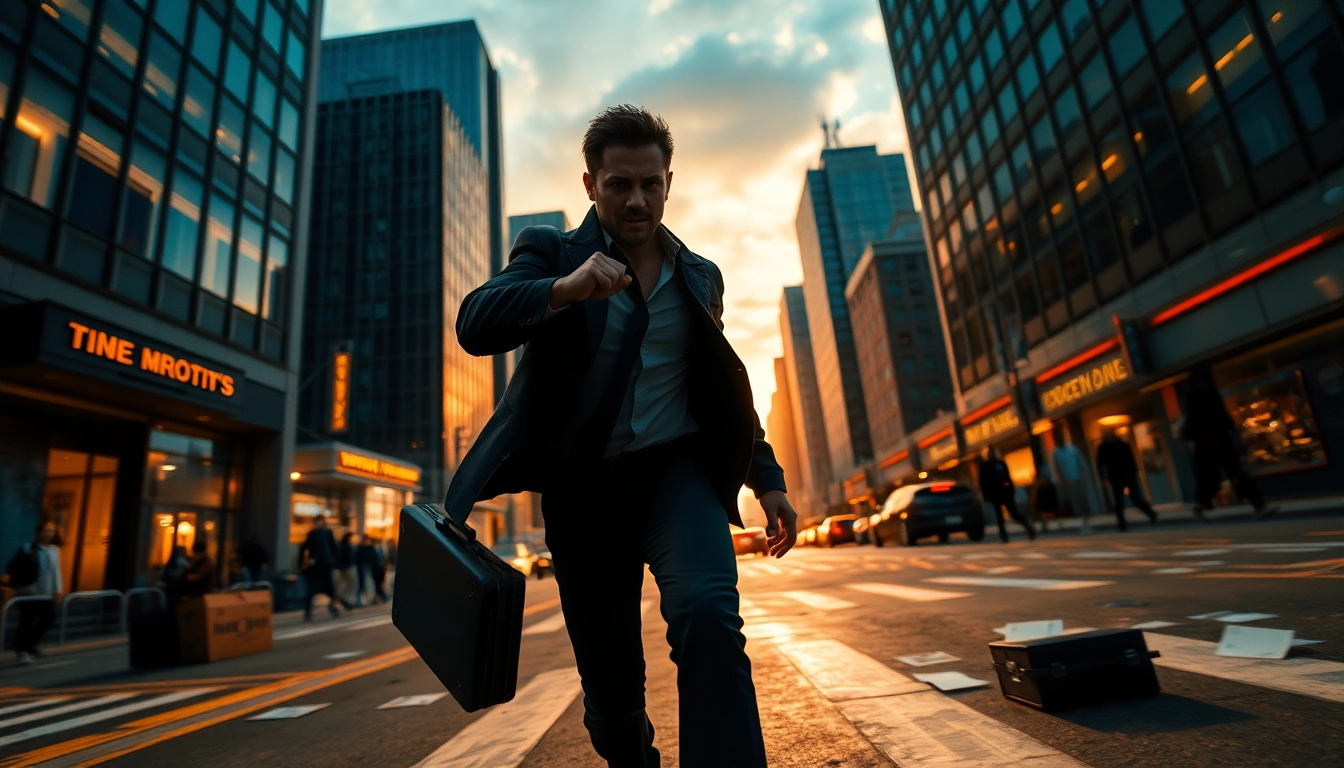




Exploring Alternatives to Better than Reacher In the world of thrilling literature and captivating television, Jack Reacher has emerged as a modern icon. However, for many fans seeking something fresh
Understanding Cinematic Video Production
Cinematic video production transcends basic video filming by emphasizing aesthetic quality, narrative depth, and technical excellence. In a world where digital content is as prevalent as it is diverse, mastering the art of cinematic video production can significantly enhance storytelling techniques, engaging audiences with every frame.
The Essence of Cinematic Video Production
At its core, cinematic video production aims to deliver an experience akin to watching a film. This involves a symbiotic relationship between visual artistry, emotional engagement, and the effective use of technology. By incorporating various elements like cinematography, sound design, and editing, filmmakers craft narratives that resonate deeply with viewers. This essence is not merely about aesthetics; it encompasses the ability to evoke emotions and create lasting impressions.
Key Elements that Define Cinematic Quality
Cinematic quality is defined by several crucial elements:
- Composition: The arrangement of visual elements, guided by principles like the rule of thirds, leads to more compelling imagery.
- Lighting: Proper lighting can dramatically influence mood, visibility, and clarity, setting the tone for each scene.
- Sound Design: The auditory experience complements the visual narrative, with music and sound effects enhancing storytelling.
- Color Grading: Post-production color adjustments not only unify the visual style but also elicit specific emotional responses.
- Editing Pace: The rhythm and flow of editing contribute to tension and release, ultimately guiding viewer engagement.
The Role of Storytelling in Cinematic Video Production
Without a captivating story, the most beautiful visuals fall flat. Good storytelling is the heartbeat of successful cinematic video production. Every element, from character development to plot structure, serves to immerse the viewer into the narrative. Whether through the arc of a protagonist’s journey or the emotional crescendo of a pivotal scene, storytelling engages audiences, making them not just spectators but participants in the journey. Filmmakers must hone their storytelling abilities to create works that resonate beyond the screen.
Choosing the Right Equipment for Cinematic Video Production
When embarking on cinematic video production endeavors, selecting the appropriate equipment is essential to achieving the desired look and feel. The choice of tools can determine the quality of the final product, affecting both technical aspects and creative expression.
Essential Gear for Beginners in Cinematic Video Production
For beginners, essential gear need not be overwhelming. Effective cinematic video production can start with the following:
- Camera: A DSLR or mirrorless camera offers versatility and the ability to change lenses, paving the way for various filming techniques.
- Tripod: Stability is crucial; a good tripod enables steady shots, eliminating shaky footage.
- Microphone: Integrated camera audio may not suffice; an external microphone captures clearer, more professional sound.
- Lighting Kit: Basic lighting kits enhance visibility and mood, allowing for controlled interviews and narrative scenes.
- Editing Software: Tools like DaVinci Resolve or Adobe Premiere Pro are invaluable for post-production efforts.
Advanced Equipment Options for Professionals
As filmmakers progress, investing in advanced equipment proves beneficial:
- High-End Cameras: Premium cameras capable of shooting in 4K or higher elevate visual clarity, depth, and dynamic range.
- Gimbals and Stabilizers: These devices help achieve smooth, sweeping movements for more dynamic shots.
- Professional Audio Gear: Wireless lavalier microphones and shotgun mics improve sound quality significantly for dialogue and ambient sounds.
- Drone Cameras: Aerial shots add a unique dimension to any film, enhancing storytelling through dramatic landscape shots.
- Color Grading Hardware: Tools such as LUTs provide consistency and visual appeal across the project.
Understanding Camera Settings for Optimal Quality
To achieve the best results in cinematic video production, understanding camera settings is imperative. Key areas to focus on include:
- Aperture: A wide aperture (lower f-stop) creates a shallow depth of field, drawing attention to subjects while blurring the background.
- Shutter Speed: Following the 180-degree rule, shutter speed should be double the frame rate to maintain natural motion blur.
- ISO: Keeping the ISO low minimizes noise, particularly in low-light conditions, promoting a cleaner image.
- White Balance: Adjusting white balance ensures that colors appear natural and consistent throughout various lighting scenarios.
Techniques to Enhance Cinematic Video Production
To elevate the quality of cinematic video production and engage viewers more deeply, mastering specific techniques is essential. These techniques encompass various aspects, from lighting to editing.
Lighting Techniques that Elevate Cinematic Video Production
Lighting is a fundamental aspect. Here are some key techniques:
- Three-Point Lighting: This classic method uses a key light, fill light, and backlight to create depth and dimension in shots.
- Natural Lighting: Utilizing sunlight may add authenticity; golden hour provides soft, flattering illumination.
- Color Gels: Gels help modify color temperature, allowing filmmakers to achieve the desired mood—warm hues for comfort, cool tones for tension.
- Practical Lights: Incorporating visible light sources, like lamps or streetlights, can enhance the storytelling without excessive artificial lighting.
Framing and Composition Tips for Stunning Visuals
Effective framing and composition determine the visual narrative. Here are several tips:
- Rule of Thirds: Placing subjects along intersecting gridlines draws viewers’ eyes and creates a balanced composition.
- Leading Lines: Using natural lines within the scene guides viewer attention to focal points.
- Negative Space: Allowing for empty areas in a frame can emphasize subjects, enhancing emotional heft and impact.
- Angles and Perspectives: Experimenting with low angles or aerial shots creates unique viewpoints, engaging the viewer’s curiosity.
Editing Techniques to Bring Your Vision to Life
Editing is where the narrative truly comes together. Consider these techniques:
- Cutting on Action: Transitioning between shots during dynamic movements makes for seamless storytelling.
- Sound Design Integration: Layering sound effects under visuals builds immersive environments, enhancing engagement.
- Color Grading: Adjusting colors post-production can unify scenes and create desired emotional atmospheres.
- Dynamic Pacing: Varying cut lengths keeps the audience engaged; quick cuts can create tension, while longer takes allow reflection.
Common Challenges in Cinematic Video Production
While aspiring to achieve cinematic quality, filmmakers frequently encounter challenges. Understanding these obstacles and devising strategies to overcome them is key to success.
Overcoming Budget Constraints in Cinematic Video Production
Budget constraints are common, but creativity can foster high-quality results without breaking the bank. Consider:
- Resource Sharing: Collaborating with other filmmakers can reduce costs related to equipment rental and production crews.
- DIY Solutions: Crafting DIY equipment like stabilizers or lighting can save money and add a unique flair.
- Focusing on Pre-production: A well-planned shoot necessitates fewer reshoots, optimizing time and resources.
- Leveraging Volunteer Talent: Engaging aspiring actors and crew can yield impressive results and enrich the production quality.
Addressing Technical Issues During Filming
Technical problems can disrupt flow, but being prepared allows for smoother production:
- Pre-Shoot Tests: Always conduct gear tests to identify any equipment flaws or compatibility issues before the filming day.
- Backup Plans: Develop contingency plans for unexpected issues, such as location changes or equipment failures.
- Troubleshooting Skills: Having a basic understanding of technical issues can save time, allowing quick fixes on-site.
- Consult Professionals: For complex problems, consulting with experienced filmmakers or technical experts offers valuable insights.
Client Collaboration: Managing Expectations
Effective communication with clients is vital to ensure alignment in expectations and desires:
- Regular Check-ins: Frequent communication updates throughout the process improve transparency and reduce misunderstandings.
- Visual References: Sharing previous work or style references can help articulate visions clearly.
- Documentation: Agreements and contracts should be well-documented to avoid confusion about project scope, timelines, and budgets.
- Flexibility: Remaining open to revisions while keeping the creative vision intact helps maintain the client’s satisfaction.
Evaluating Success in Cinematic Video Production
Determining success in cinematic video production is multifaceted, and various metrics can be employed to gauge effectiveness and impact. Additionally, feedback mechanisms essential for growth can be established.
Metrics to Measure Impact and Engagement
The impact of cinematic production can be gauged through several metrics, such as:
- Viewer Retention: Monitoring how long viewers engage with the video provides insights into its compelling nature.
- Engagement Rates: Likes, shares, and comments can highlight viewer interest and sentiment toward the content.
- Audience Reach: Tracking the number of viewers helps ascertain the distribution effectiveness across platforms.
- Conversion Rates: If applicable, measuring how often viewers take action post-viewing (like signing up or purchasing) is crucial.
Gathering Feedback for Continuous Improvement
Seeking feedback post-release is crucial for growth. It enables filmmakers to address weaknesses and improve future work:
- Surveys: Distributing surveys to viewers can offer direct insights into what worked and what didn’t.
- Focus Groups: Inviting small groups to view the film and provide feedback fosters a deeper understanding of audience perceptions.
- Peer Reviews: Collaborating with other filmmakers to review each other’s work can introduce fresh perspectives on quality.
- Metrics Analysis: Reviewing analytic data provides valuable feedback, aiding in adjusting strategies for future productions.
Case Studies of Successful Cinematic Video Production Projects
Learning from successful case studies can inspire and educate filmmakers:
- Short Films: Many filmmakers began with short films that effectively communicate potent narratives, providing creative freedom without extensive resources.
- Brand Collaborations: Some iconic advertisements utilized cinematic techniques to create engaging stories that resonated with audiences, exemplifying brand values.
- Documentaries: Successful documentary filmmakers blend storytelling with technical elements, showcasing real-life narratives with cinematic flair, proving engaging even in non-fiction.
- Social Campaigns: Impactful social campaigns often leverage cinematic qualities to trigger strong emotional responses, advocating for specific causes effectively.
FAQs About Cinematic Video Production
What is cinematic video production?
Cinematic video production refers to creating visual stories with a focus on narrative depth, aesthetic quality, and viewer engagement, resembling the art of filmmaking.
What equipment do I need to start?
Beginners should start with a DSLR or mirrorless camera, a tripod, external microphones, basic lights, and editing software to create quality content.
How do I enhance my lighting?
Consider three-point lighting techniques, utilize natural light, and modify colors with gels for various mood settings to improve lighting quality.
What should I focus on during editing?
Focus on cutting on action, integrating sound design, and maintaining dynamic pacing to enhance storytelling and maintain viewer engagement.
How can I manage client expectations?
Regular communication, sharing visual references, clear documentation, and flexibility in handling feedback can help effectively manage client expectations.