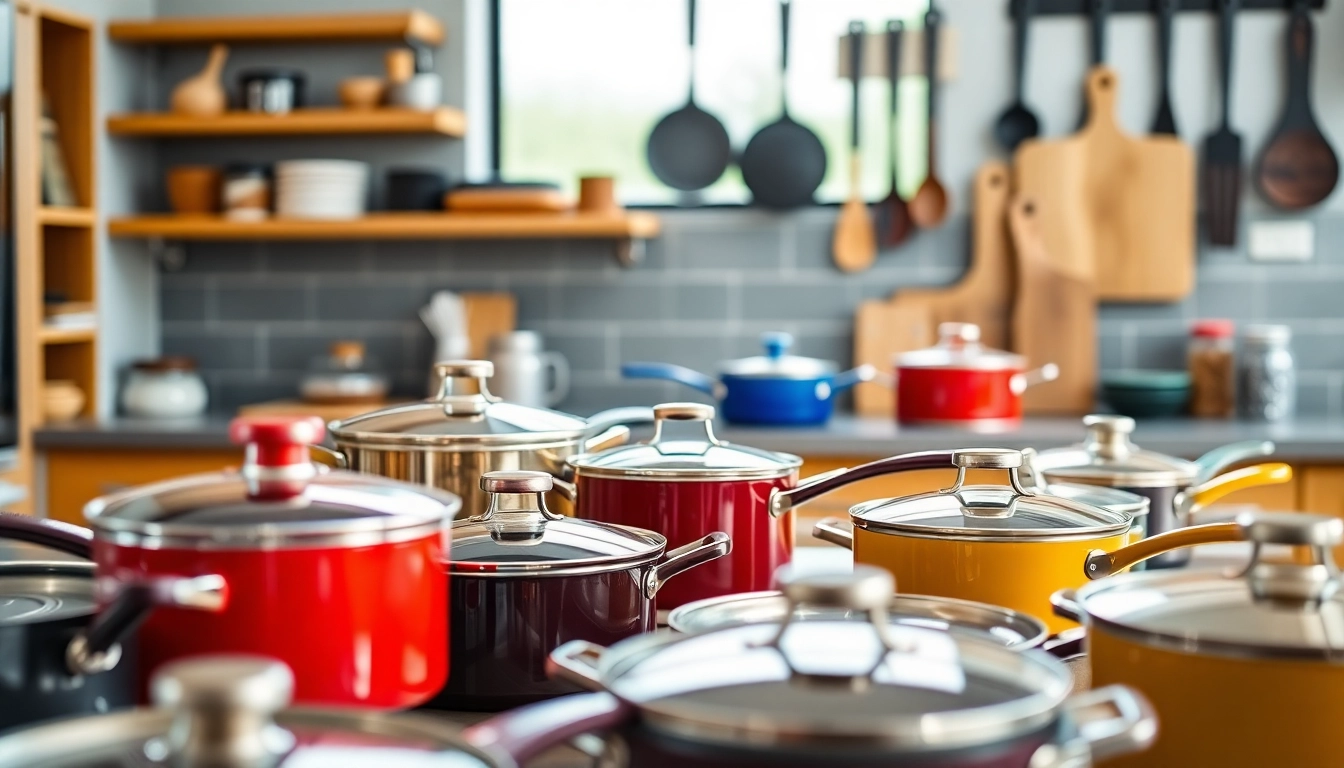
Introduction to Cookware Needs in Auckland
Whether you’re a seasoned chef or a home cook, having the right cookware is essential for creating delicious meals. In Auckland, the demand for quality cookware is ever-present, influencing the variety and options available. From frying pans to pressure cookers, understanding your needs can help in selecting the appropriate materials, styles, and tools. The cookware shop Auckland offers an extensive range of products that cater to every culinary quest.
The Basics of Choosing Cookware
Choosing cookware can be overwhelming because of the myriad of options available. Start by assessing your cooking style. Do you sauté, bake, or slow-cook? Each technique may require different types of cookware. Additionally, consider the heat source you use, as some materials are incompatible with induction stovetops.
Moreover, think about your kitchen’s aesthetic. Cookware is not merely functional; it should also complement your kitchen’s design. For example, cast-iron skillets are durable and retain heat well but require maintenance, while non-stick pans offer convenience and easy cleanup.
Understanding Different Material Types
Cookware comes in various materials, each with its unique properties:
- Stainless Steel: Highly durable and non-reactive, it is ideal for browning and deglazing.
- Cast Iron: Excellent heat retention and distribution, great for slow cooking and frying.
- Ceramic: Offers non-stick properties and is often aesthetically pleasing but may chip easily.
- Non-Stick: Perfect for low-fat cooking, but be cautious with high heat.
- Copper: Great for precise temperature control but requires regular polishing.
How Cookware Affects Cooking Techniques
The type of cookware you choose significantly impacts your cooking methods. For instance, non-stick pans are suitable for cooking delicate foods like eggs, while stainless steel is ideal for sautéing and browning. Cast iron can go from stovetop to oven, providing versatility in cooking techniques.
Understanding how each material responds to heat can lead to better cooking results. For example, heavy-bottomed cookware can prevent hot spots and promotes even cooking, whereas lighter cookware may be better suited for quick sautéing.
Why Shop Local for Cookware in Auckland?
Buying locally has its advantages, especially when it comes to kitchenware. Local shops provide not just products, but also personalized service and local expertise that can enhance your cooking experience.
Benefits of Shopping at Local Cookware Stores
Shopping at a local cookware store offers numerous benefits including immediate product availability, allowing you to physically inspect the items before purchase. Locally owned businesses often have knowledgeable staff who can provide insights on the best products for your specific needs.
Additionally, local shops frequently spotlight regional and artisanal brands, helping you discover unique cookware options that may not be available in larger, corporate stores.
Supporting Auckland’s Small Businesses
By opting to shop at local cookware retailers, you’re contributing to the local economy, supporting small businesses, and helping to maintain community vibrancy. Local businesses advocate for sustainability and often engage with other local artisans to create a market that strengthens communities.
Unique Items Found in Local Cookware Shops
Local cookware shops often carry unique items, such as hand-crafted pottery and regional specialties that reflect the local culture. Discovering these unique products allows you to bring a piece of Auckland into your culinary adventures, often creating more memories attached to the meals you prepare.
Top Considerations When Buying Cookware
When it comes to purchasing cookware, several key factors should guide your decision-making process.
Assessing Durability and Performance
Durability is paramount in cookware. High-quality items may have a higher initial cost but can save money in the long run by lasting longer. Look for warranties or trial guarantees that might indicate a brand’s commitment to durability.
Performance is equally crucial. Review weight, heat retention, and how it handles on your stovetop. If a pan warps or doesn’t cook evenly, it can affect the quality of your food.
Evaluating Heat Distribution
Even heat distribution is a critical factor in cooking. Cookware that heats evenly can prevent burnt food and improve cooking efficiency. Materials such as copper or aluminum provide better heat distribution than stainless steel alone, which is why many high-end pots and pans are layered with these materials.
Cost vs. Quality in Cookware Selection
Balancing cost and quality can be tricky. It’s important to invest in a set of essential items that you will use frequently and choose less expensive options for tools you may use sparingly. Consider if multifunctional pieces, which can serve different cooking methods, might justify a higher price.
Trendy Cookware Brands Available in Auckland
Keeping up with cooking trends often involves selecting brands that emphasize both functionality and style. The following sections detail some of the current trends in cookware brands.
Highlighting Innovative Cookware Brands
Many brands today focus on innovation by combining traditional techniques with modern design. Brands that utilize non-toxic non-stick coatings or eco-friendly materials are popular choices among health-conscious consumers. Look for labels highlighting sustainability and production ethics.
Combining Style and Functionality
Today’s consumers seek cookware that not only performs well but also looks good. Stylish cookware can double as serving pieces, making meal presentation more appealing. Colorful enameled cast iron or beautifully designed non-stick pans can enhance the overall dining experience beyond merely cooking.
Reading Reviews and Recommendations
Leverage customer feedback when selecting cookware. Reviews provide insight into the experiences of others and often reveal details about durability that you might not find in a product description. Recommendations from professional chefs can also be invaluable sources of information.
Frequently Asked Questions About Cookware
How to Choose the Right Cookware for My Cooking Style?
Start by identifying your primary cooking techniques. Choose cookware materials that enhance those methods, such as non-stick for frying or stainless for boiling. Consider your heat source and select items that are compatible.
Can Non-Stick Cookware Be Used on High Heat?
Non-stick cookware is not recommended for high heat as it may release harmful chemicals. Use non-stick pans on low to medium heat for best results and to preserve the coating.
What Are the Most Durable Cookware Materials?
Cast iron, stainless steel, and carbon steel are among the most durable cookware materials. They can withstand high temperatures and are resistant to warping, making them ideal for long-term use.
How Do I Care for My Cookware Properly?
Care varies by material. Generally, avoid abrasive cleaners and high heat for non-stick items. For cast iron, regular seasoning helps maintain its non-stick surface while stainless steel typically requires simple soap and warm water cleaning.
Are There Eco-Friendly Cookware Options?
Yes, eco-friendly cookware options have become widely available. Look for brands using sustainable materials and responsible production processes, such as recycled metals or natural coatings free from toxic chemicals.